Pregnancy workout by trimester: what changes and why
A pregnancy workout plan that doesn't change across three trimesters is not a pregnancy workout plan. Your body in week 8 and your body in week 34 have almost nothing in common physically, and your training should reflect that. Here's what actually changes, why it changes, and how to adjust without losing the fitness you've built.
First trimester: keep going, but listen to nausea
If you exercised before pregnancy, the first trimester is mostly business as usual. Your body is still shaped roughly the same, your center of gravity hasn't shifted, and the baby is too small to affect your movement. The main variable is how you feel. Morning sickness (which, despite the name, can last all day) knocks some women flat and leaves others unaffected. Fatigue is nearly universal as your body builds the placenta, which is the most metabolically demanding organ your body will ever produce.
If you feel well enough to maintain your normal routine, do it. If you need to back off intensity or duration, back off. Walking, swimming, strength training, cycling, and yoga are all fine. ACOG doesn't recommend any specific modifications in the first trimester beyond avoiding contact sports, activities with a fall risk, scuba diving, and overheating. The practical advice: work at a level where you can still hold a conversation (the "talk test"), stay hydrated, and don't exercise to exhaustion.
Second trimester: modifications start mattering
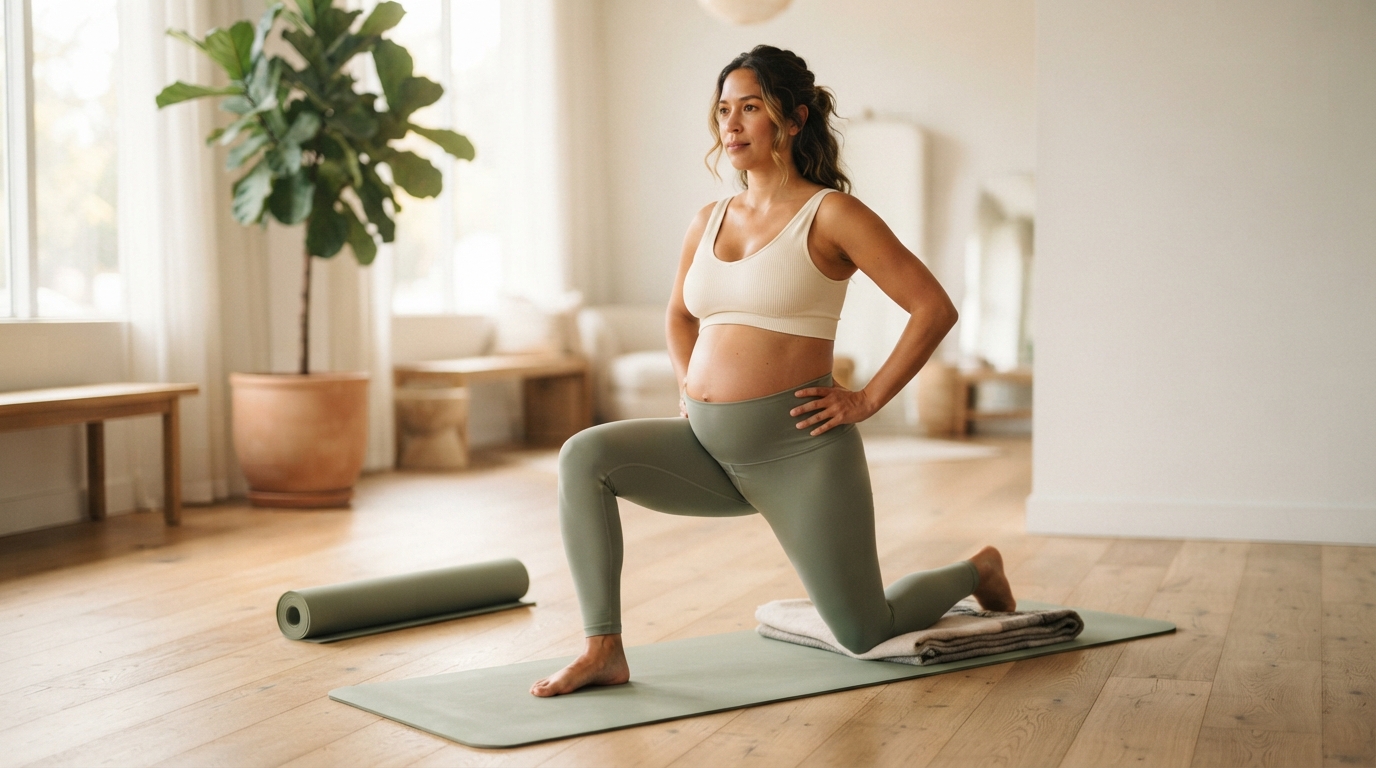
This is where your body starts changing in ways that affect how you move. Your belly is growing visibly. Your center of gravity shifts forward, which changes your balance and the way your core stabilizes you. Relaxin and progesterone are loosening your joints and ligaments, making you more flexible but also less stable. Your blood volume has increased by 30 to 50%, which means your heart is working harder even at rest.
Strength training modifications: your growing belly will start getting in the way of some exercises. Overhead presses may feel uncomfortable as the weight passes near your face. Bent-over rows may strain your lower back now that your center of gravity has shifted. Switch to seated or supported variations when standing exercises feel unstable. Reduce the weight if your joints feel loose or "sloppy" in the movement. The ligament laxity from relaxin means you can push joints into ranges they wouldn't normally go, which increases injury risk.
Cardio modifications: you may notice you get winded faster than before, even at the same intensity. This is normal; your heart is pumping 30 to 50% more blood volume with each beat. You don't need to reduce intensity because of this, but you should expect to feel like you're working harder at a lower output. Switch from high-impact to low-impact cardio if you haven't already. Running is fine for some women into the second trimester, but if you feel joint pain, leaking, or pelvic pressure, switch to walking, cycling, or swimming.
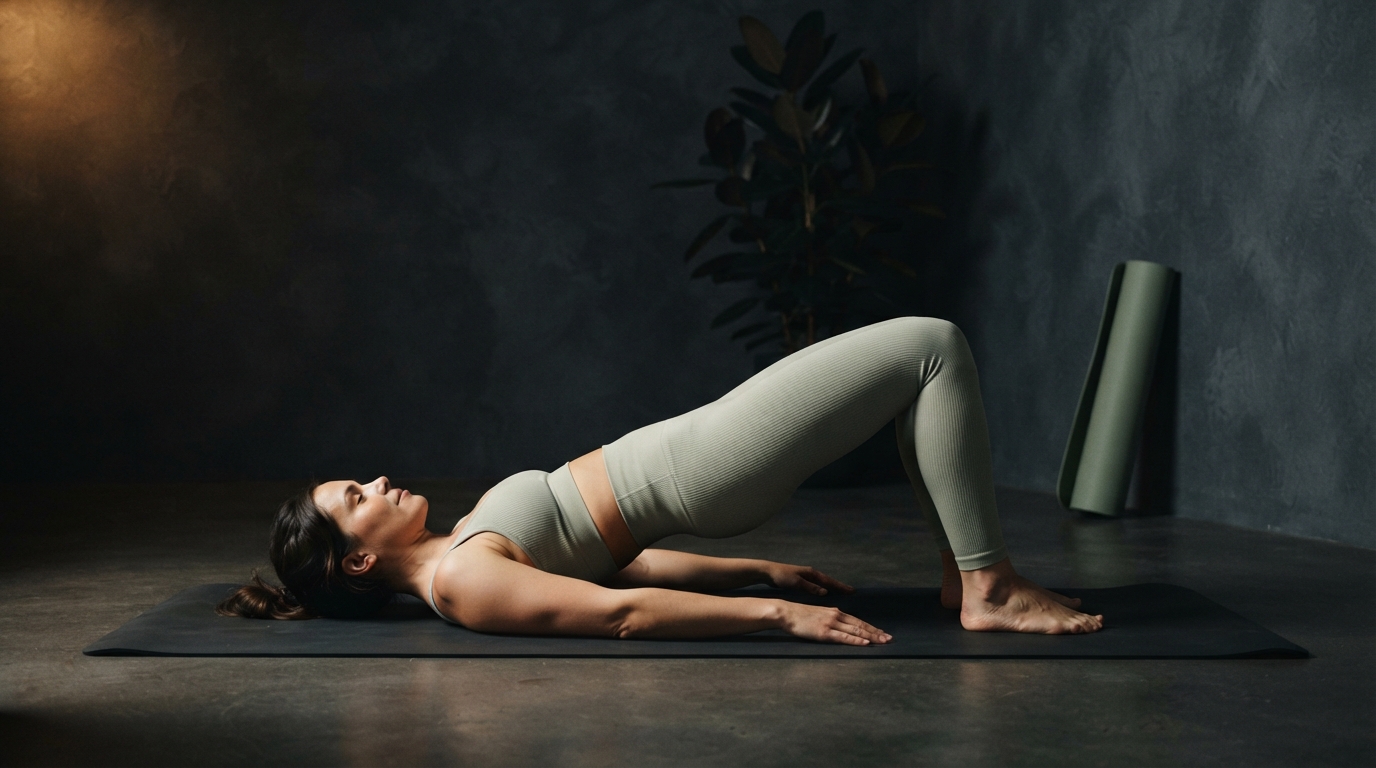
The flat-back rule starts now: after about week 16, avoid lying flat on your back for extended periods. The weight of your uterus can compress the inferior vena cava, reducing blood return to your heart and potentially to the baby. Modify exercises like bench press, chest flyes, and some yoga poses by using an incline or side-lying position instead.
Third trimester: the body you have right now
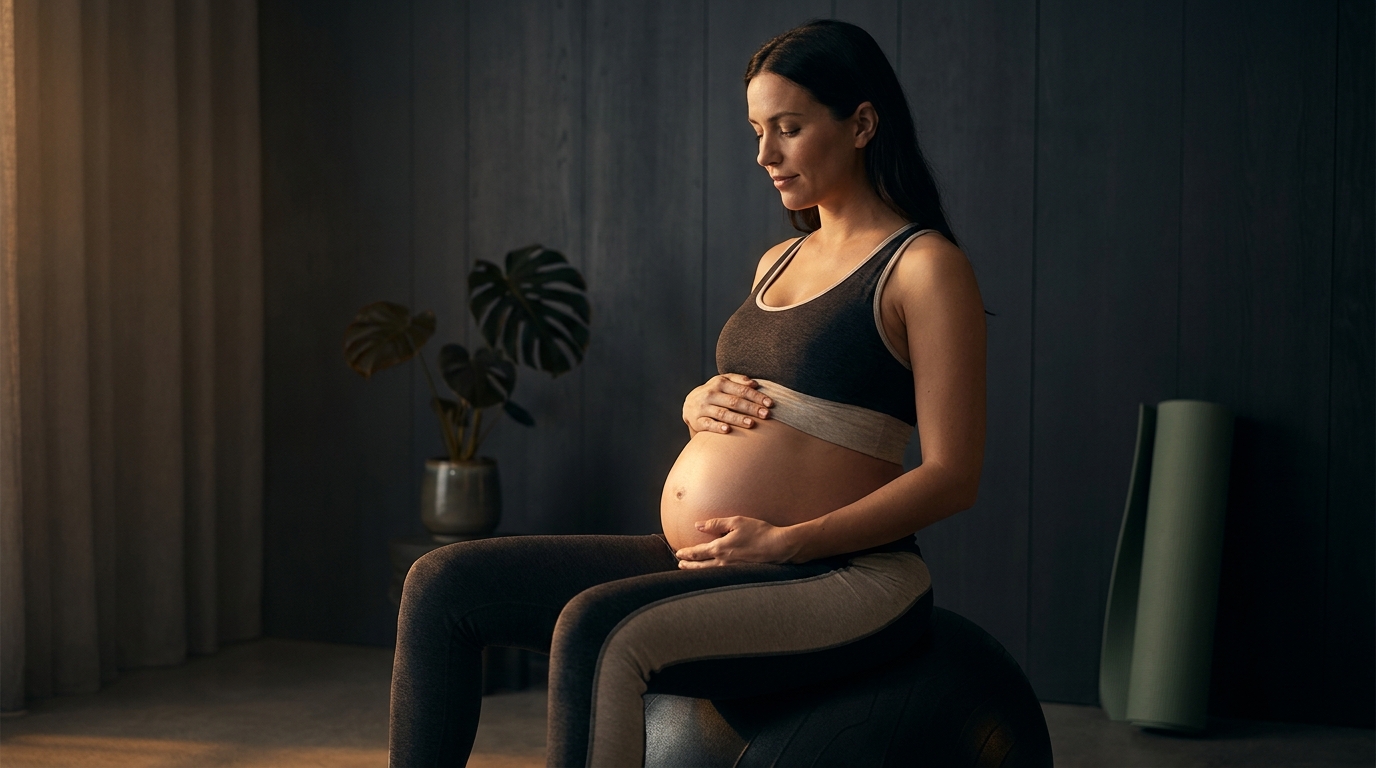
By now, your belly is large, your joints are looser, your energy is lower, and your balance is noticeably different. The goal of third-trimester exercise shifts from fitness maintenance to birth preparation and basic mobility. You're not building strength or endurance at this point; you're maintaining what you have and keeping your body moving so that recovery after birth is faster.
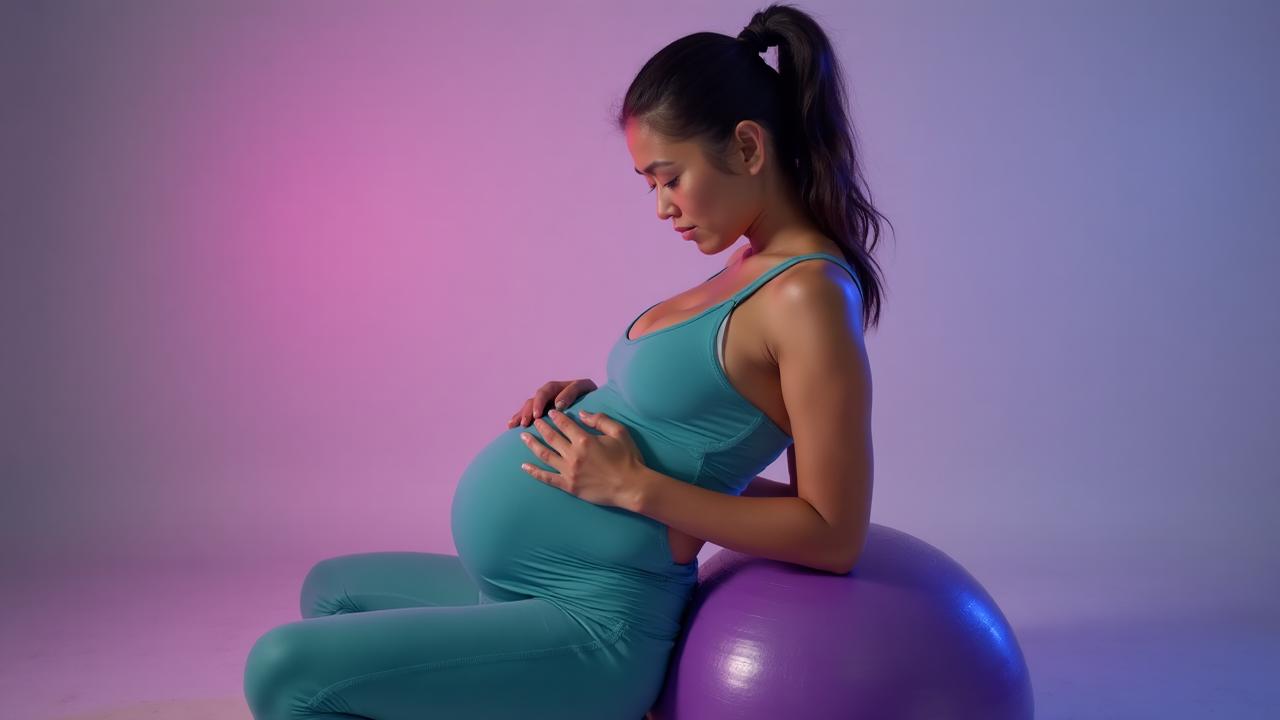
What works in the third trimester: walking (the closer you get to your due date, the more this becomes your primary cardio), swimming or water walking (the buoyancy takes the weight off your joints and your pelvis), prenatal yoga (focus on hip openers, squatting positions, and breathing, all of which are useful in labor), and light bodyweight strength training (wall squats, assisted lunges, modified push-ups) to maintain muscle tone without excessive fatigue.
What to stop in the third trimester: any exercise that requires balance you can't trust (single-leg exercises, step-ups on high boxes, anything where a fall is possible), heavy lifting (the Valsalva maneuver, or bearing down while holding your breath, spikes blood pressure and should be avoided throughout pregnancy but is especially risky now), and any movement that causes round ligament pain (a sharp, pulling sensation on either side of your lower belly, common in the third trimester when the ligaments supporting the uterus are stretched).
The weekly structure that works across all three trimesters
2 to 3 days of strength training, 2 to 3 days of low-impact cardio, 1 to 2 days of rest or gentle mobility work. Total exercise time: 150 minutes per week of moderate-intensity activity, which is ACOG's recommendation. That breaks down to about 30 minutes, five days a week, but you can split it into shorter sessions if that's what your energy allows. Two 15-minute sessions in a day count the same as one 30-minute session.
Where to go from here
Your workouts should change as your pregnancy does. Create a free Catalyst Mom account to get trimester-specific programs that adjust automatically.
Frequently Asked Questions
Can I start a new exercise routine during pregnancy?
Yes. ACOG explicitly states that exercise can be initiated during pregnancy, even in women who weren't active before. Start with walking, swimming, or basic bodyweight exercises, and build gradually. The recommendations are the same as for continuing exercisers, but the starting point is lower.
Do I need to keep my heart rate under 140?
No. The 140 bpm limit is outdated. ACOG removed it years ago. The current recommendation is the talk test: exercise at an intensity where you can carry on a conversation. This is individualized and more accurate than a fixed number, since your resting heart rate is already elevated in pregnancy.
What if my provider tells me not to exercise?
Follow their guidance. Some conditions (placenta previa, preeclampsia, incompetent cervix, certain heart or lung conditions, multiples with risk of preterm labor) make exercise unsafe. If your provider has restricted activity for a medical reason, ask them what movement, if any, is allowed. Sometimes gentle walking or seated stretching is still okay even when full exercise isn't.
Will exercising during pregnancy help with labor?
Possibly. Some research suggests that women who exercise during pregnancy have shorter labors and lower rates of instrumental delivery (forceps or vacuum). The evidence isn't strong enough to promise anything, but the benefits of exercise (better cardiovascular fitness, stronger muscles for pushing, better mental health) are all relevant to labor preparation.
How soon after delivery can I restart the first-trimester workouts?
You can't, at least not right away. Postpartum recovery is its own process, and you need to rebuild your core and pelvic floor before returning to any pregnancy-level intensity. See our postpartum workout guide for the phased return timeline.