Strength Training During Pregnancy: Build Power for Birth
Hey mama-to-be! So, you’re pregnant, and maybe you’ve heard whispers about staying active, but the idea of lifting weights when you’re growing a whole human might feel a little… intense. Or maybe you're already a gym regular and wondering how to adapt your routine. Real talk: strength training during pregnancy isn't just safe for most women, it's incredibly empowering and beneficial!
Nobody tells you this, but pregnancy is basically the ultimate endurance sport. Your body is undergoing monumental changes, and getting stronger can make a world of difference for your comfort, your delivery, and even your postpartum recovery. This isn't about chasing PRs; it's about building resilience, feeling good in your changing skin, and preparing your body for the amazing work ahead.
Why Lift Weights While Pregnant? The Untapped Benefits of Resistance Training Prenatal
Let's dive into why adding resistance training prenatal to your routine is a total game-changer. Forget old myths about 'taking it easy.' Your body is capable of so much, and smart training can truly support it.
1. Empower Your Body for Birth
Think about labor. It's a marathon, not a sprint, and it requires incredible core strength, endurance, and stamina. Strengthening your glutes, legs, back, and core (hello, pelvic floor!) can help you manage different labor positions, push more effectively, and reduce the physical exhaustion that often comes with delivery. You are not alone in wanting to feel prepared, and this is a tangible way to do it.
2. Ease Pregnancy Aches and Pains
As your baby grows, your center of gravity shifts, and those familiar pregnancy aches — hello, lower back pain! — can really set in. Targeted strength training helps to support your posture, strengthen the muscles that stabilize your spine, and alleviate some of that discomfort. It's truly amazing what a little consistent effort can do for your day-to-day comfort.
3. Boost Your Mood and Energy Levels
Pregnancy hormones can be a wild ride, right? Exercise, including strength training, is a fantastic mood booster. It releases endorphins, helps reduce stress and anxiety, and can even improve your sleep quality. Plus, feeling stronger can simply make you feel more capable and in control – which is huge when so much about pregnancy feels out of your hands.
4. Prepare for an Easier Postpartum Recovery
This is a big one that often gets overlooked! The stronger you are going into childbirth, the better equipped your body will be to recover afterward. Lifting your baby, carrying car seats, managing household tasks – these all require strength. Building a solid foundation now will help you bounce back with more ease and reduce your risk of injury in the demanding postpartum period. This is normal, and something every new mom can benefit from.
5. Manage Gestational Diabetes and Blood Pressure
Regular physical activity, including weights during pregnancy, can play a significant role in helping to regulate blood sugar levels and blood pressure. Always consult your doctor, but for many, it's a powerful tool in managing these common pregnancy-related conditions.
Your Guide to Safe Strength Training During Pregnancy
Okay, so you're convinced! Now, let's talk about how to safely incorporate strength training into your routine. Remember, consistency beats intensity, and listening to your body is absolutely key.
First Things First: Talk to Your Doctor!
Before starting any new exercise program, especially when pregnant, it's crucial to get the green light from your healthcare provider. While strength training is safe for most low-risk pregnancies, there are certain conditions where it might not be recommended. Your doctor knows your specific health history best.
Key Principles for Weights During Pregnancy:
- Stay Hydrated: Drink plenty of water before, during, and after your workouts.
- Listen to Your Body: This isn't the time to push through pain or exhaustion. If something feels off, stop. Seriously.
- Avoid Overheating: Exercise in a well-ventilated area and wear breathable clothing.
- Focus on Form Over Weight: As your pregnancy progresses, your ligaments loosen (thanks, relaxin!), which can make you more prone to injury. Prioritize perfect form with lighter weights.
- Don't Hold Your Breath: Exhale on exertion! Holding your breath (Valsalva maneuver) can increase intra-abdominal pressure and isn't recommended during pregnancy.
- Modify as Needed: As your belly grows, certain exercises will become uncomfortable or even unsafe. Be prepared to adapt and use modifications.
Exercises to Embrace (and Modify!)
Here are some fantastic exercises to include in your resistance training prenatal routine:
Upper Body Strength:
- Rows (Dumbbell or Cable): Great for back strength and posture, which helps counteract the weight of your growing breasts.
- Bicep Curls / Tricep Extensions: Essential for carrying your baby postpartum!
- Shoulder Presses: Can be done seated to reduce strain as your belly grows.
Lower Body Power:
- Squats (Bodyweight, Goblet, or Dumbbell): The ultimate powerhouse exercise for birth prep! As you progress, you might widen your stance or use a chair for support.
- Deadlifts (Romanian or Sumo with lighter weight): Focus on hip hinge and glute activation. Avoid traditional heavy deadlifts.
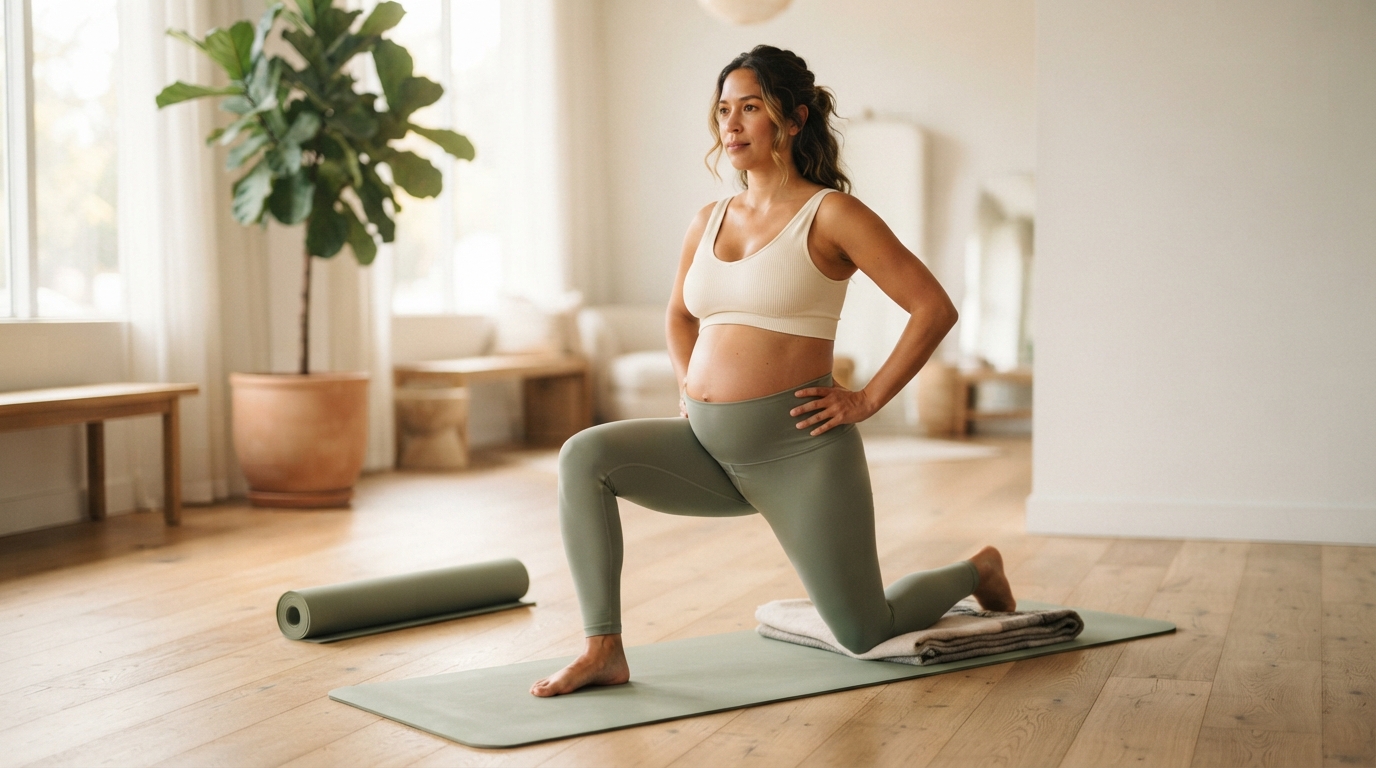
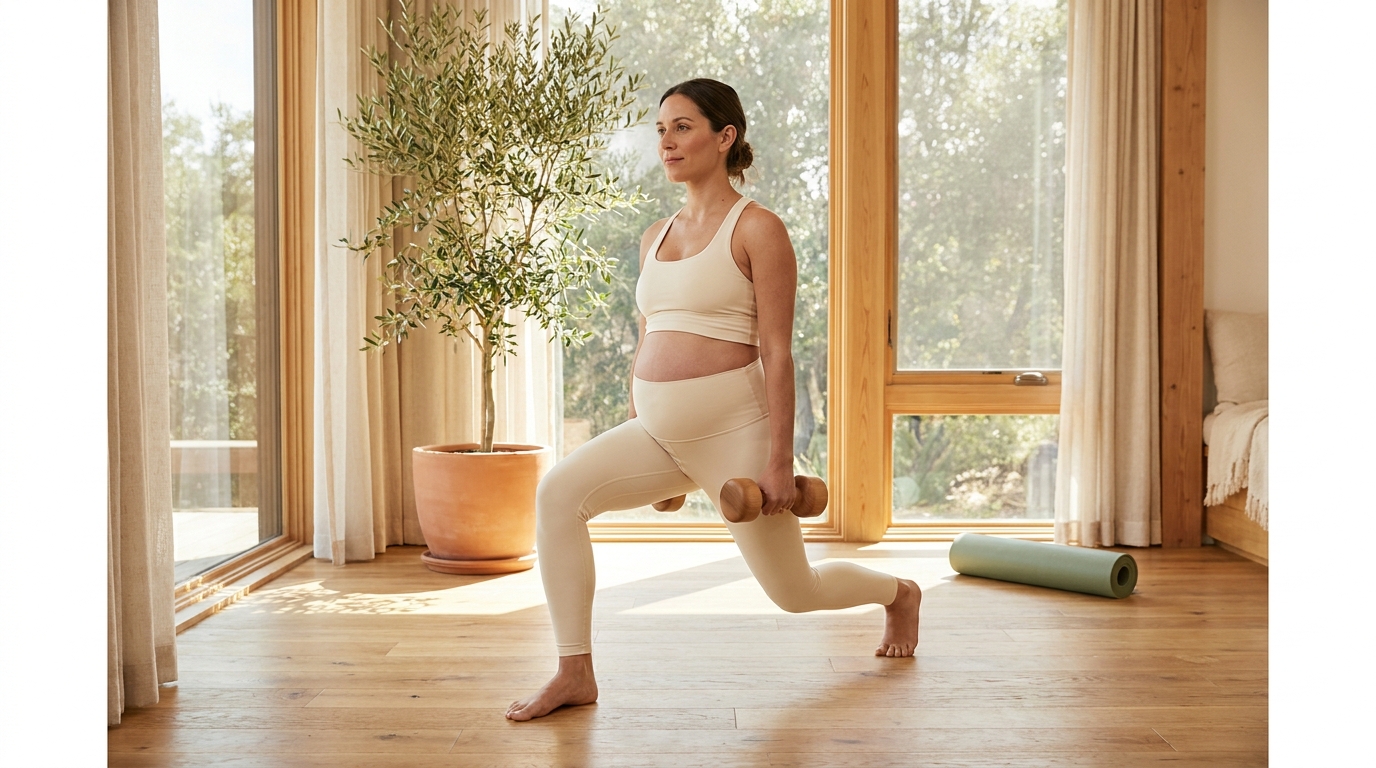
- Lunges (Reverse or Static): Helps with balance and unilateral strength. Forward lunges might become tricky with a growing belly and shifting center of gravity.
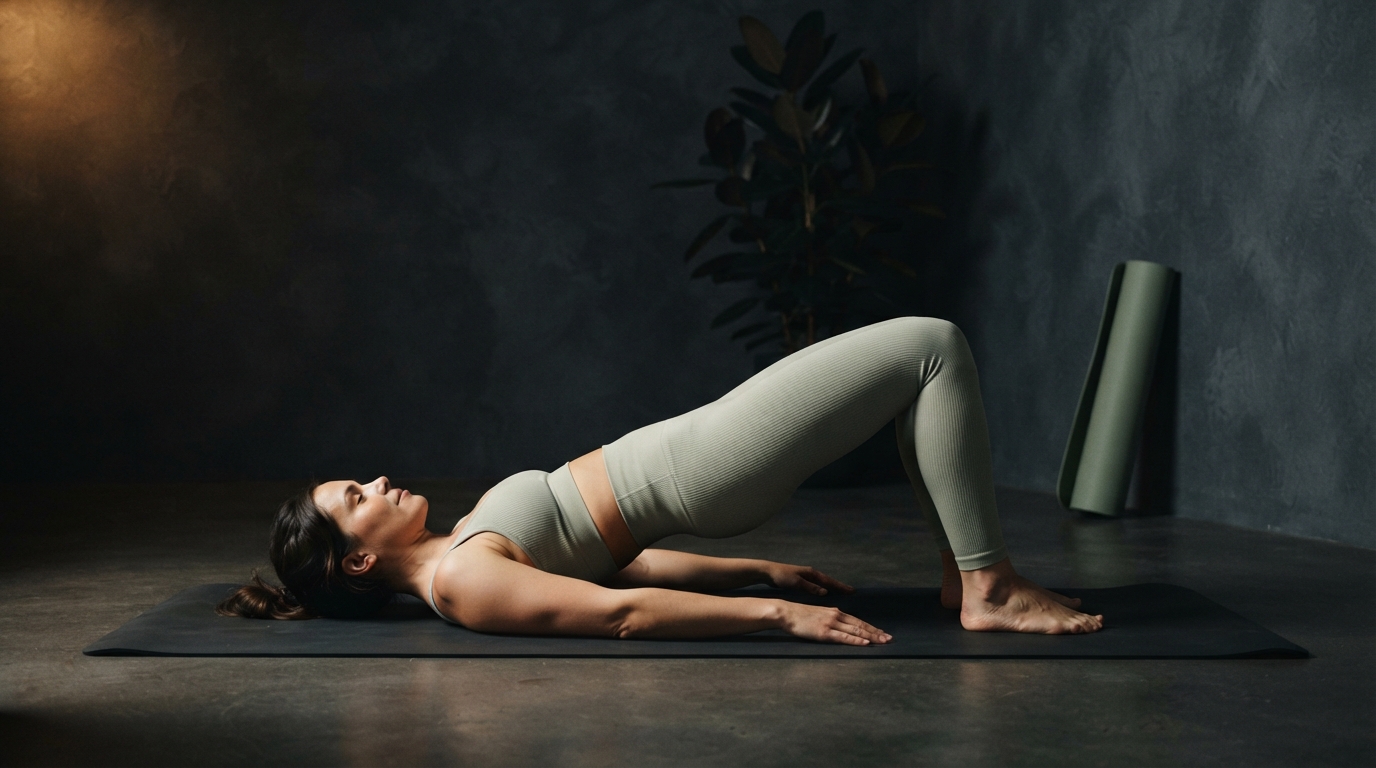
- Glute Bridges/Hip Thrusts: Fantastic for glute and pelvic floor activation without putting pressure on your abdomen.
Core & Pelvic Floor Support:
Forget crunches and planks that put excessive pressure on your growing abdomen. Instead, focus on exercises that support and strengthen your deep core and pelvic floor:
- Cat-Cow: Gentle spinal mobility.
- Bird-Dog: Strengthens core and improves balance without abdominal crunching.
- Pelvic Tilts: Incredible for pelvic floor awareness and relieving back pain.
- Kegels: Essential for pelvic floor health – learn to both lift and relax!
- Diaphragmatic Breathing: Practicing deep belly breaths helps connect with your core and pelvic floor.
Exercises to Approach with Caution (or Avoid):
- Lying Flat on Your Back (after first trimester): Avoid exercises where you lie supine for extended periods, as the weight of your uterus can compress a major blood vessel (vena cava), reducing blood flow to you and baby.
- Heavy Lifting (especially maxing out): Focus on moderate weights for higher reps (e.g., 10-15 reps) instead of lifting at your maximum capacity.
- High-Impact Activities: While some light impact may be fine early on, as your pregnancy progresses, your joints become looser, making high-impact movements (like jumping) riskier.
- Exercises with a High Risk of Falling: Things like gymnastics or intense cycling with a high possibility of falling.
- Deep Twisting Movements: Can put undue strain on your abdominal muscles.
- Valsalva Maneuver (holding your breath): Always breathe!
Modifications as Your Body Changes
This is normal, your body is changing rapidly! What felt good at 12 weeks might not at 25 weeks. Be ready to adapt:
- Wider Stance: For squats and deadlifts, a wider stance can accommodate your belly.
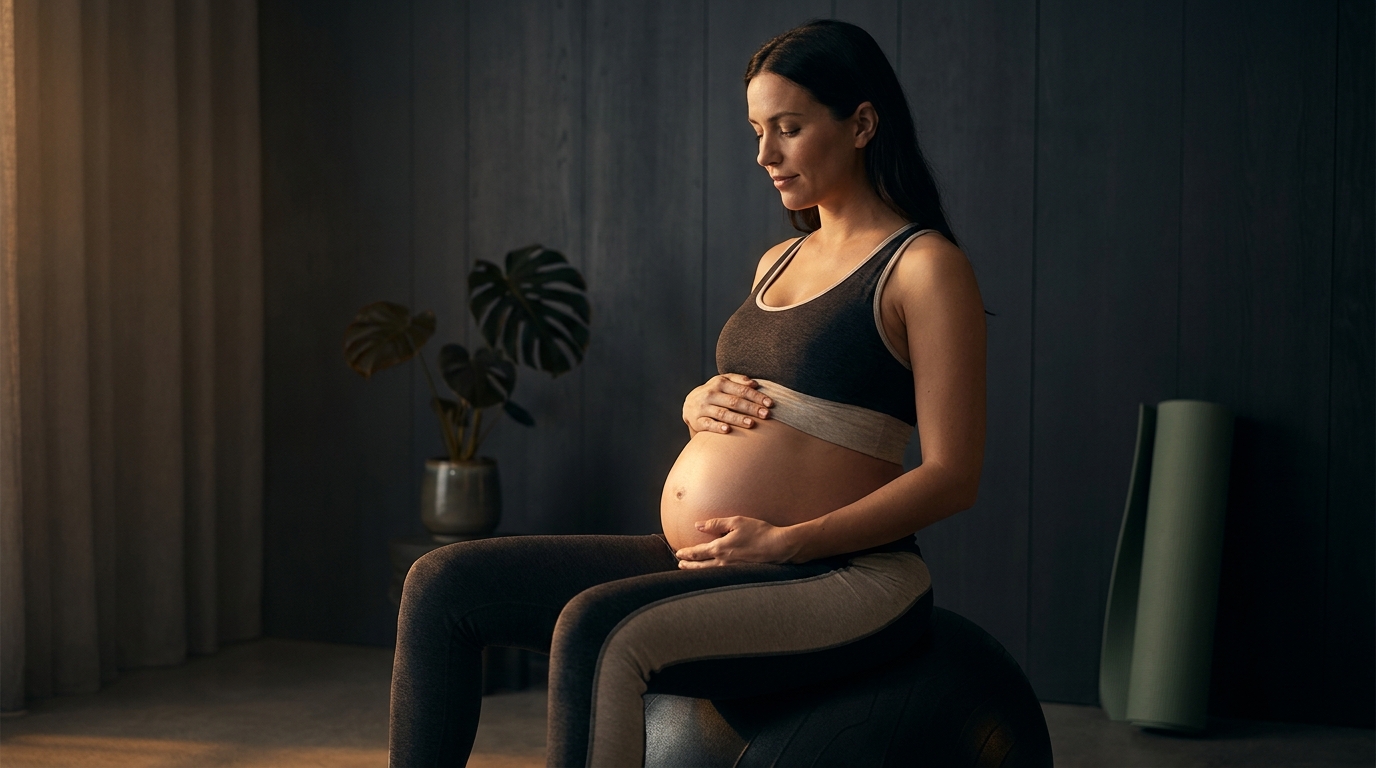
- Props and Support: Use a yoga ball for seated exercises or support during stretches. A chair can help with squats if balance becomes an issue.
- Reduced Range of Motion: You might not be able to squat as deep or lunge as far. That's okay! Work within your comfortable limits.
- Focus on Control: Slow and controlled movements are always better than fast and jerky ones during pregnancy.
You'll find that with a little creativity and a lot of body awareness, you can continue to have incredibly effective workouts throughout your pregnancy. This isn't about looking a certain way; it's about feeling strong, capable, and ready for what's next. You are not alone in this journey!
Remember, your body is doing incredible work right now. Give it the support and strength it deserves. For a deeper dive into personalized postpartum recovery and preparing your body for what's ahead, consider taking our personalized postpartum assessment.
So, take a deep breath, mama. You've got this. Embracing resistance training prenatal can be one of the best gifts you give yourself and your baby during this incredible time. Keep moving, keep breathing, and keep empowering that incredible body of yours!
Ready to feel stronger, empowered, and truly prepared for your motherhood journey? Visit Catalyst Mom today and take our personalized postpartum assessment. It's designed to give you concrete steps and support for every stage of motherhood, from pregnancy prep to beyond. You deserve real answers and real support.
Frequently Asked Questions
Q: Is it safe to start strength training if I wasn't doing it before pregnancy?
A: Yes, for most women with a low-risk pregnancy, it is safe to start a moderate strength training program during pregnancy, but always consult your doctor first. Start slowly with lighter weights and focus on proper form. This is normal and a great way to prepare your body.
Q: What weights during pregnancy are appropriate to lift?
A: The general guideline is to use weights that allow you to complete 10-15 repetitions with good form, where the last couple of reps feel challenging but not impossible. You should be able to hold a conversation while exercising. Avoid maxing out or lifting extremely heavy loads. Listen to your body – it's not about PRs right now!
Q: Can strength training during pregnancy help with diastasis recti?
A: While strength training alone can't prevent diastasis recti (abdominal separation), intelligent core work focusing on the deep core muscles (transverse abdominis) and pelvic floor can help support the abdominal wall and potentially lessen the severity, as well as aid in recovery postpartum. Avoid traditional crunches and sit-ups pushing your belly outward.
Q: How often should I do resistance training prenatal workouts?
A: Most guidelines suggest 2-3 days per week of moderate-intensity strength training, along with other forms of activity like walking or swimming. Consistency is more important than intensity. You are not alone in wanting a clear schedule; aim for what feels sustainable and good.
Q: What are the main signs I should stop exercising during pregnancy?
A: Stop exercising immediately and contact your doctor if you experience any of these: vaginal bleeding, dizziness or feeling faint, shortness of breath before exertion, chest pain, headache, muscle weakness, calf pain or swelling, regular painful contractions, or fluid gushing from your vagina. Your health and your baby's health come first, always. This is normal to be cautious about, and your doctor is there to help.