Most "postpartum workout plans" are really just one routine, repeated for months. That's part of why so many women end up with a lingering pooch, back pain, or a pelvic floor that never quite feels right again, because they jumped back into pre-pregnancy training before the foundation was ready. What follows instead is a realistic, week-by-week progression.
Before week 1: check with your provider
Every body heals on its own timeline, especially after a C-section or a complicated delivery. This plan assumes a typical recovery; always follow your provider's specific guidance, particularly around your postpartum check-up (usually 6 weeks, sometimes sooner for a check-in).
Weeks 1-2: just breath and connection
Skip workouts entirely here. Everything else gets built on two things: breath and pelvic floor connection. A few minutes a day of diaphragmatic breathing, inhaling to expand your ribs and belly, exhaling to draw gently inward, reconnects your nervous system to your deep core. Add short, easy walks as energy allows. No crunches, no core "challenges," nothing that strains.
Weeks 3-6: Gentle activation
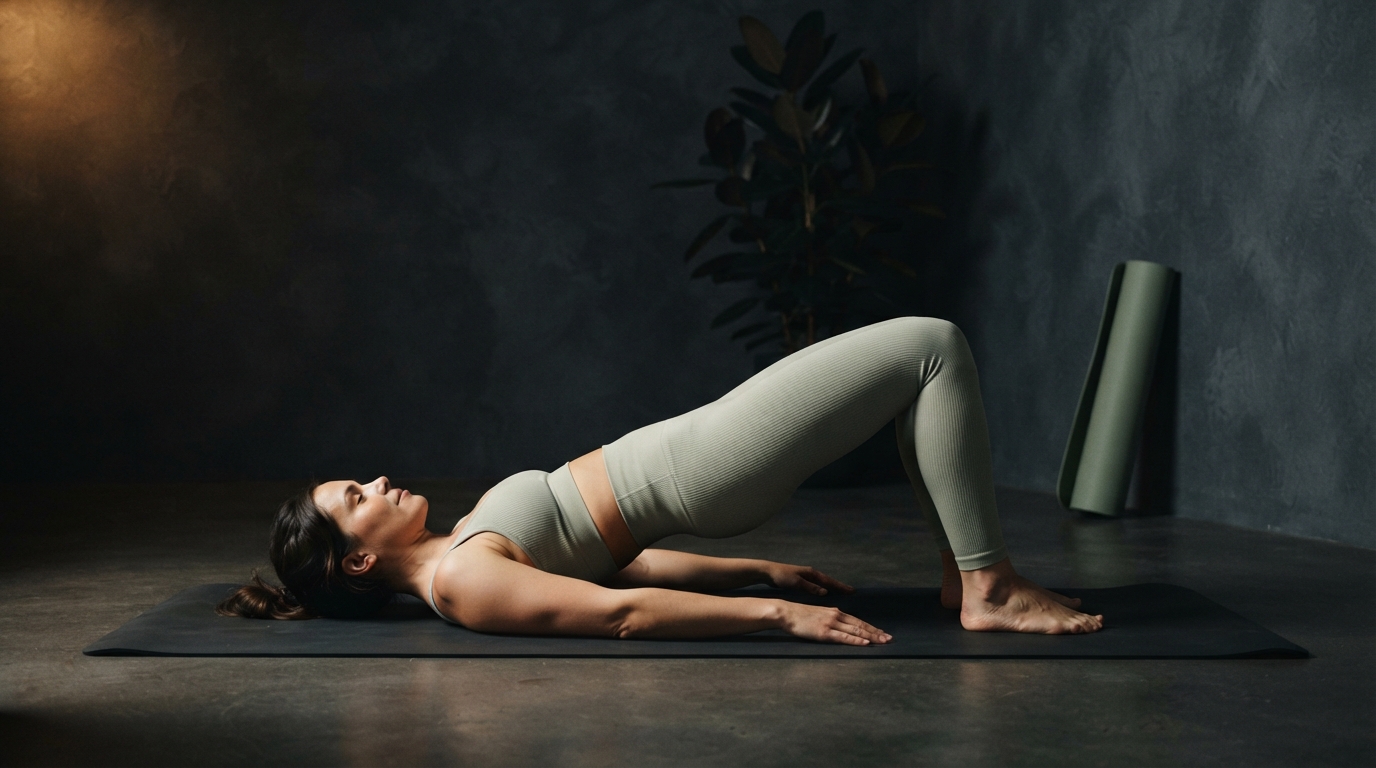
Once breathing feels natural, layer in gentle activation: pelvic tilts, heel slides, glute bridges without added resistance, and continued walking, gradually extending distance. The test that tells you if you're ready to progress: can you do these without any doming or coning through your midline? If yes, you're building the base correctly.
Weeks 6-10 (after clearance): Structured strength begins
With your provider's clearance, this is where real strength work starts, though the deep core still leads every rep. Bodyweight squats, modified push-ups, rows, and continued pelvic floor and breathing work form the base. Watch your midline on every rep; if coning appears, regress the exercise.
Weeks 10-16: Progressive loading
Add light external resistance, dumbbells or resistance bands, to the same movement patterns. This is also the phase to reintroduce low-impact cardio like cycling or swimming if you enjoy it. Full-impact activities like running or jumping are usually best delayed until your deep core reliably holds pressure under load, often 3-4 months postpartum or later. That timeline varies a lot from person to person.
Month 4 and beyond: Return to full training
By this stage, many women can return to their pre-pregnancy training style, provided the deep-core and pelvic-floor work has been consistent. Reintroduce higher-impact and higher-intensity work gradually, watching for any return of leaking, heaviness, or doming as your signal to dial back.
The one rule that applies at every stage
Progress by function, not by the calendar. If a "week 6" exercise still causes coning or pelvic pressure, stay at the earlier stage longer. The plan is a map, not a countdown — your body sets the actual pace.
Where to go from here
Knowing which week you're actually in makes the difference between a plan that helps and one that sets you back. Create a free Catalyst Mom account to get a postpartum program that adjusts to your recovery, not a generic calendar.
Frequently Asked Questions
When can I start a postpartum workout plan?
Gentle breathing and pelvic floor work can start within the first couple of weeks for most uncomplicated recoveries. Structured strength training typically waits for your provider's clearance, usually around 6 weeks.
How long does it take to fully recover postpartum fitness?
Many women feel meaningfully stronger by 3-4 months with consistent work, though full return to high-impact training often takes 4-6 months or longer. Recovery timelines vary widely and depend on delivery type and consistency.
Can I do ab exercises right after having a baby?
Traditional ab exercises like crunches are best delayed until your deep core can brace without doming, usually well after the early weeks. Gentle breathing-based core work is safe much earlier.
What's the difference between a postpartum plan for C-section vs vaginal birth?
A C-section recovery generally needs extra time on scar mobility and gentle pressure management before loading the core, while a vaginal birth recovery prioritizes pelvic floor coordination sooner. Both still start with breath and deep-core basics.
How do I know if I'm progressing too fast?
Watch for doming along your midline, leaking, pelvic heaviness, or pain during or after a session. Any of these mean you should return to the previous stage rather than pushing forward.