7 Doctor-Approved Birth Ball Exercises for a Shorter, Easier Labor
Pregnancy is an incredible journey, but as you approach your due date, the thought of labor can bring a mix of excitement and apprehension.
As new moms and moms-to-be, we often seek tools and techniques to make this monumental experience as smooth and comfortable as possible. Enter the birth ball: a simple yet powerful tool that can be a game-changer during labor.
At Catalyst Mom, we believe in empowering you with evidence-based strategies, and today, we're diving into 7 doctor-approved birth ball exercises for labor designed to help you achieve a shorter and easier birth.
The beauty of using a birth ball lies in its ability to encourage movement, reduce pressure, and promote optimal fetal positioning. Unlike lying in a bed, a birth ball allows you to stay upright, working with gravity, which can significantly aid the labor process.
Our Catalyst Mom approach to wellness during pregnancy emphasizes holistic support, and incorporating birth ball exercises for labor is a perfect example of how small changes can make a big difference.
Why Use a Birth Ball During Labor?
Pain Relief: The gentle bouncing and rocking on a birth ball can help alleviate back pain and pelvic pressure, common discomforts during labor.
Optimal Fetal Positioning: Moving on the ball encourages your baby to descend into the optimal position for birth (anterior presentation), potentially reducing the need for interventions.
Pelvic Mobility: The ball promotes movement in your pelvis, which can help widen the birth canal and facilitate your baby's passage.
Comfort and Control: Staying upright and active can give you a sense of control and empowerment during labor.
Gravity's Helper: Gravity is your friend! Being upright helps your baby move down and out more efficiently.
Before You Begin: Choosing the Right Birth Ball
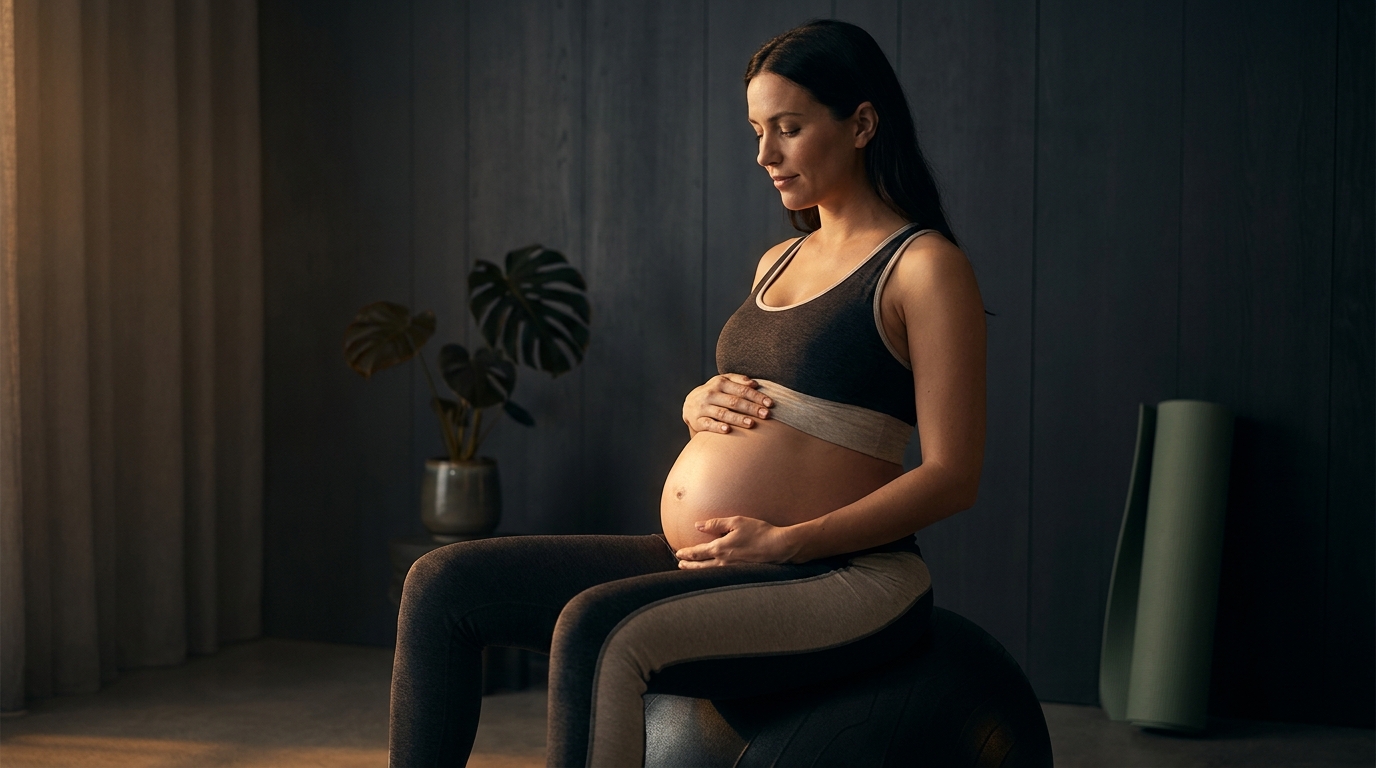
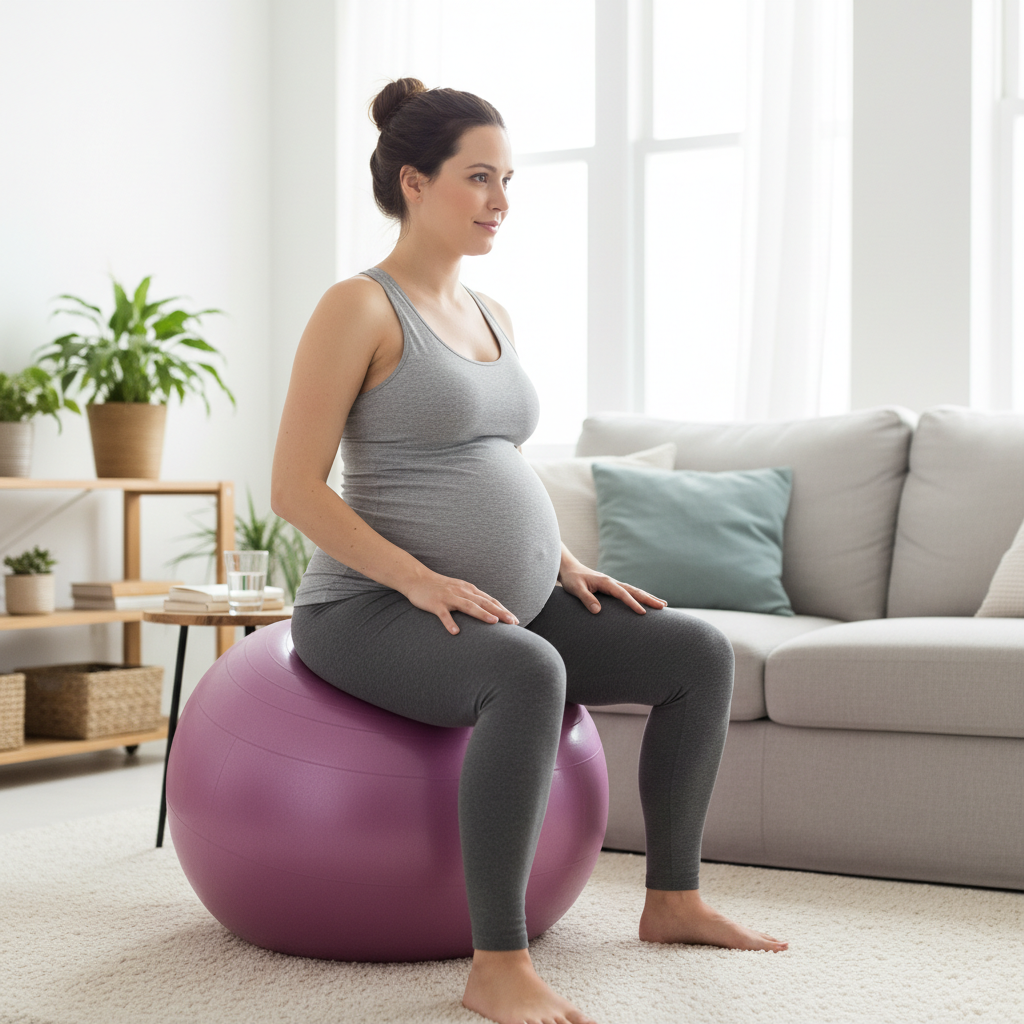
Before diving into these birth ball exercises for labor, ensure you have the right size ball. When seated on the ball, your hips should be slightly higher than your knees, allowing your thighs to slope downwards.
This open-hip position is crucial for pelvic alignment. If you're unsure about the best approach for your unique body and pregnancy, remember to take our personalized assessment at Catalyst Mom. Our protocol is designed to provide tailored guidance throughout your motherhood journey.
7 Doctor-Approved Birth Ball Exercises for Labor
1. Gentle Bouncing (Early Labor)
How to: Sit on the birth ball with your feet flat on the floor, hip-width apart. Gently bounce up and down, keeping your movements subtle and controlled. Focus on relaxing your pelvic floor.
Benefits: Soothes nerves, increases blood flow to the pelvic area, and can encourage baby to engage deeper into the pelvis.
2. Pelvic Tilts (Throughout Labor)
How to: While seated on the ball, place your hands on your knees. Gently rock your pelvis forward and backward, allowing your lower back to arch slightly, then flatten. Focus on isolating the pelvic movement.
Benefits: Relieves back pressure, improves spinal mobility, and helps rotate the baby into an optimal position.
3. Hip Circles (Active Labor)
How to: Sit on the ball and slowly rotate your hips in wide circles, first clockwise, then counter-clockwise. You can make these circles as large or as small as is comfortable.
Benefits: Opens the pelvis, encourages baby's descent, and can be incredibly soothing during contractions.
4. Figure Eights (Active Labor)
How to: Similar to hip circles, but instead of round circles, trace a figure-eight pattern with your hips. This movement often feels natural and intuitive.
Benefits: Maximizes pelvic opening, helps relieve pressure, and provides dynamic movement for the baby to navigate the birth canal.
5. Side-to-Side Rocking (Throughout Labor)
How to: Sit on the ball and gently rock your hips from side to side. You can hold onto a stable surface for balance if needed.
Benefits: Relieves pressure on your perineum and can help shift the baby laterally, aiding in descent.
6. Leaning Over the Ball (Resting & Comfort)
How to: Kneel on the floor with the birth ball in front of you. Lean forward and rest your upper body, arms, and head onto the ball. Your partner can massage your back in this position.
Benefits: Provides rest during intense contractions, takes pressure off your back, and still maintains an upright position.
7. Slow Dancing with a Partner (Early to Active Labor)
How to: Stand with your feet apart, facing your partner or a wall. Lean your weight onto the birth ball, which is placed between you and your partner/wall. Gently sway, rock, or circle your hips. Your partner can support you or apply counter-pressure to your back.
Benefits: Offers support, comfort, and a sense of intimacy during labor. The movement helps with pain management and progress.
Integrating Birth Ball Exercises with Catalyst Mom's Protocol
At Catalyst Mom, we understand that every pregnancy and labor is unique. Our holistic approach encompasses not just physical preparation but also mental and emotional well-being. Incorporating these birth ball exercises for labor into your routine, alongside our guided meditations, nutrition advice, and strength training, can significantly enhance your birthing experience.
Remember, consistency is key, even during pregnancy. Practicing these exercises beforehand will help you become comfortable and confident using the ball when labor truly begins.
Always listen to your body and consult with your healthcare provider or doula for personalized advice.
Your Journey to a Stronger, More Confident Birth
The birth ball is more than just an exercise tool; it's a partner in your labor journey, offering comfort, movement, and a pathway to a potentially shorter and easier birth. Combine these doctor-approved birth ball exercises for labor with the comprehensive support of the Catalyst
Mom app and take our personalized assessment to unlock a pregnancy and birth plan tailored just for you. You've got this, mama!
Ready to Embrace a More Empowered Birth?
Download the Catalyst Mom app today and discover a world of personalized guidance, expert advice, and a supportive community designed to help you thrive throughout your motherhood journey. Your easier labor starts here!
Meta description: Discover 7 doctor-approved birth ball exercises for labor from Catalyst Mom to help achieve a shorter, easier, and more comfortable birth experience.