Can a Birth Ball Really Induce Labor?
Short answer: a birth ball will not flip a switch and start labor on its own — no tool can. But research and midwife experience agree that birth ball movements can help create the conditions labor needs: an open pelvis, a well-positioned baby, and gentle, consistent pressure on the cervix.
A randomized study of first-time mothers found that women who used birth ball exercises had a meaningfully shorter average labor (about 14.4 hours vs 19.2 hours in the control group) and reported less pain. So while "induce" is too strong a word, "prepare and encourage" is exactly right.
How It Works
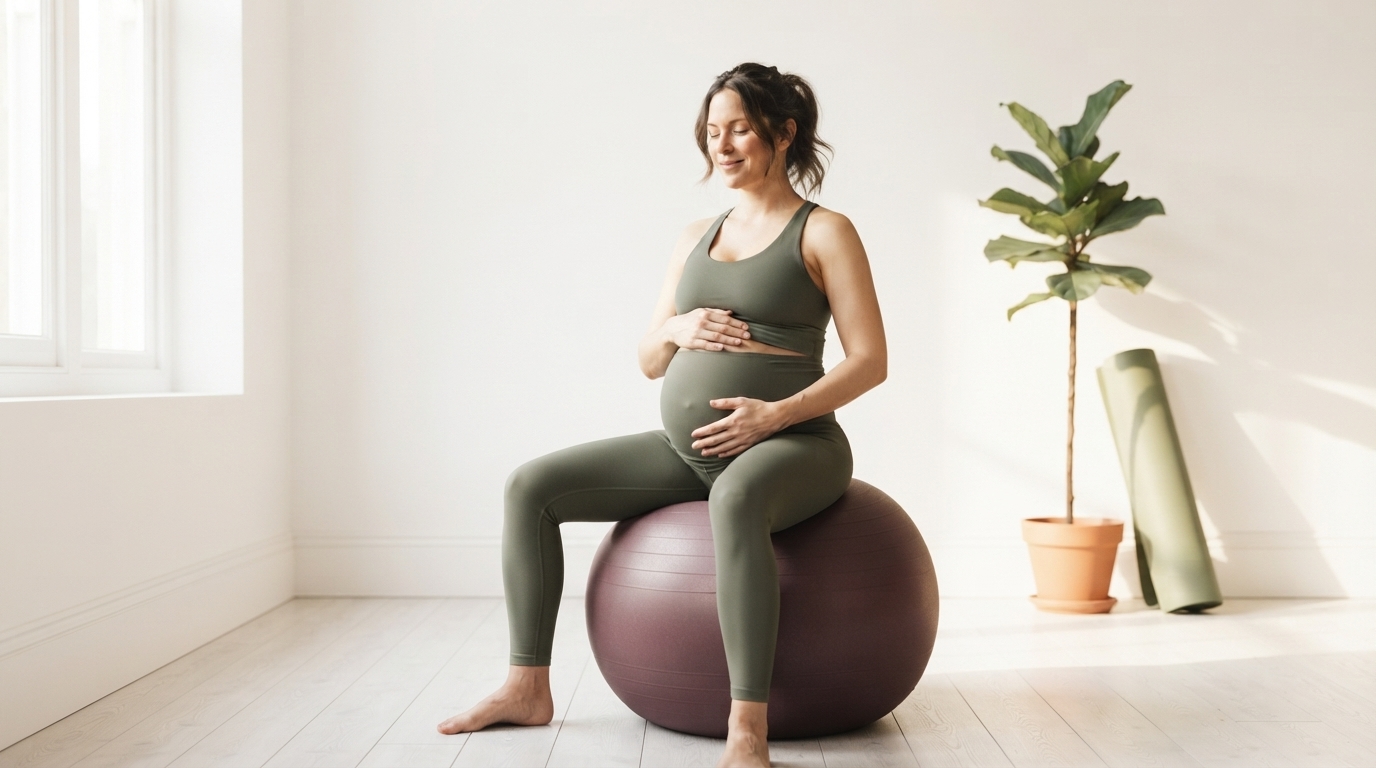
- Opens the pelvis. Sitting upright on the ball with knees below hips widens the pelvic outlet, giving baby room to descend.
- Encourages optimal positioning. Gentle rocking and circles help baby rotate into the head-down, back-facing-front position that makes labor smoother.
- Applies cervical pressure. As baby drops lower, the head presses on the cervix — the natural signal that stimulates contractions.
- Relaxes you. Tension slows labor. Rhythmic movement releases it.
The 4 Movements to Try (From 37+ Weeks, With Your Provider's OK)
1. Gentle Bouncing
Sit tall, feet flat and shoulder-width apart, and bounce softly for 5–10 minutes. Think rhythm, not height.
2. Hip Circles
Circle your hips slowly in one direction for a minute, then reverse. This is the classic midwife-recommended move for helping baby settle into the pelvis.
3. Figure 8s
Trace a figure 8 with your hips. It combines the benefits of circles in both directions and feels wonderful on a tight lower back.
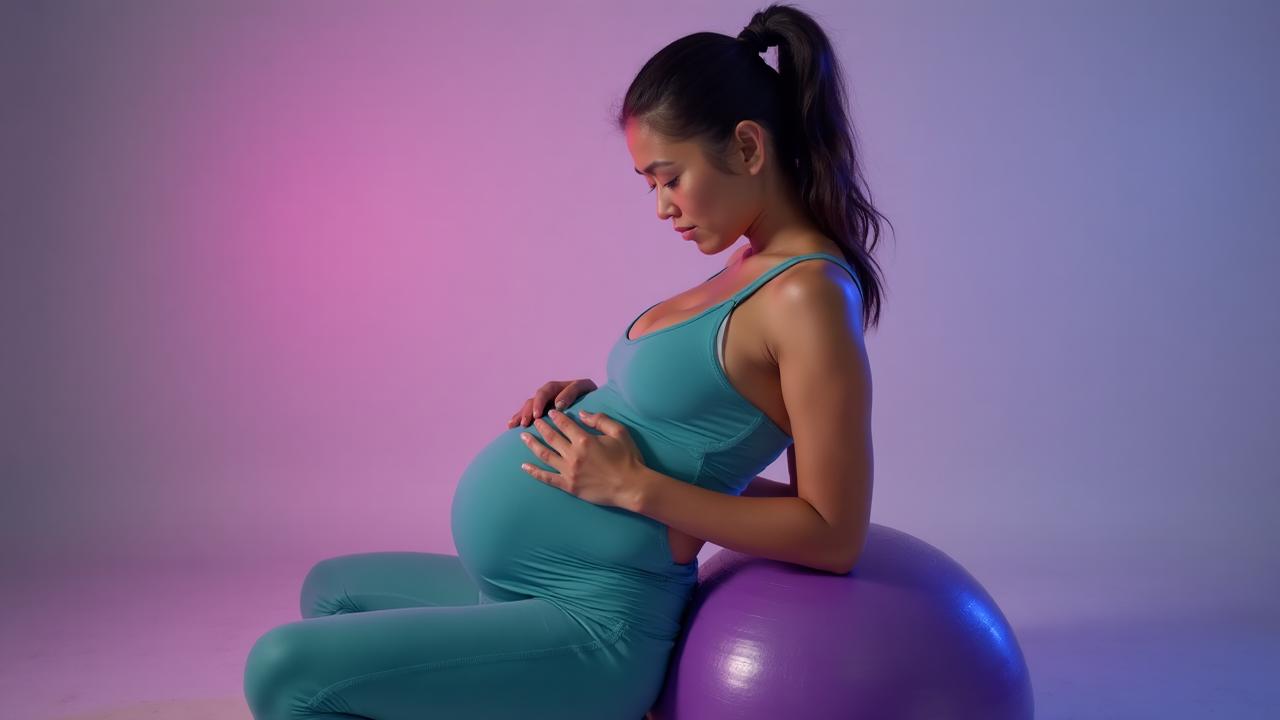
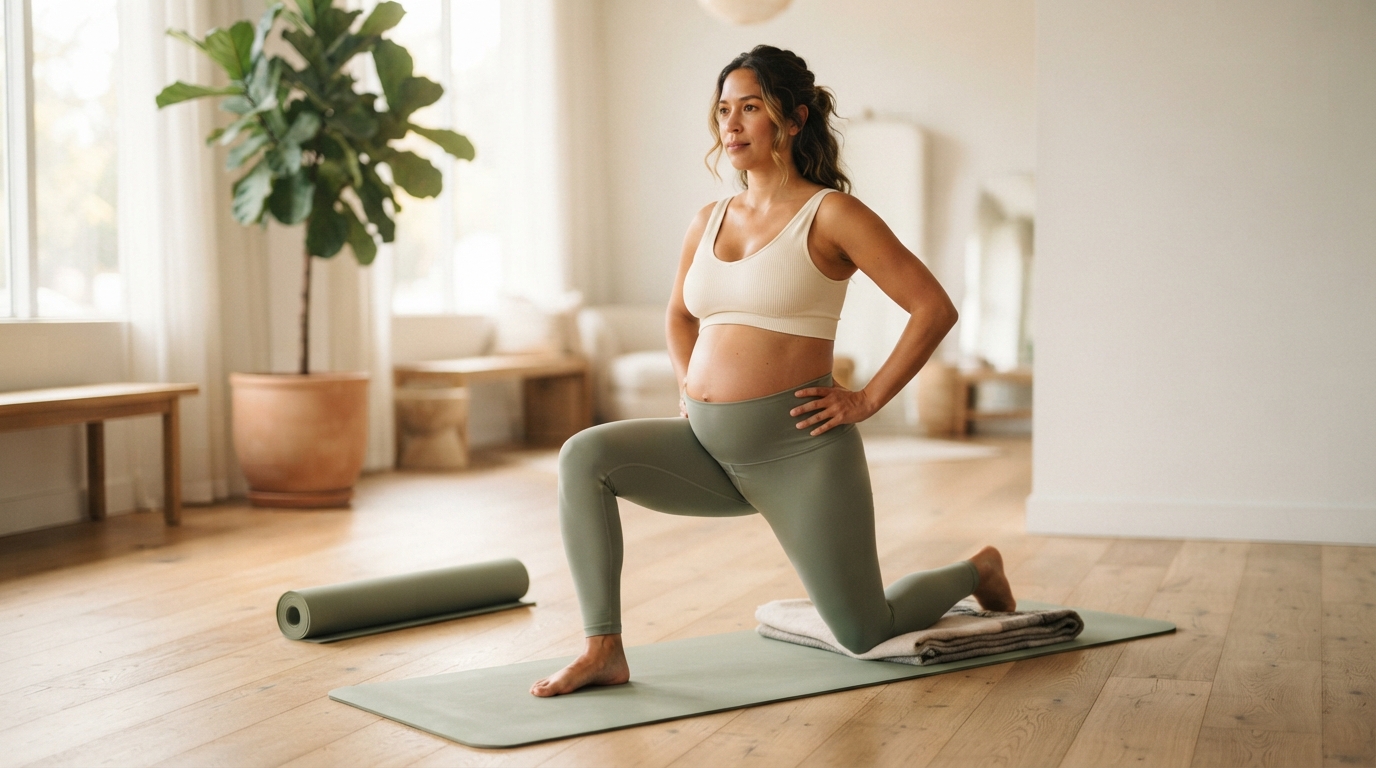
4. Supported Lean (Kneeling)
Kneel on a cushion and drape your chest over the ball, rocking gently. Great for back labor prep, and a perfect position for your partner to massage your lower back.
Safety First
- Wait until at least 37 weeks before doing labor-encouraging movements, and clear it with your midwife or OB first.
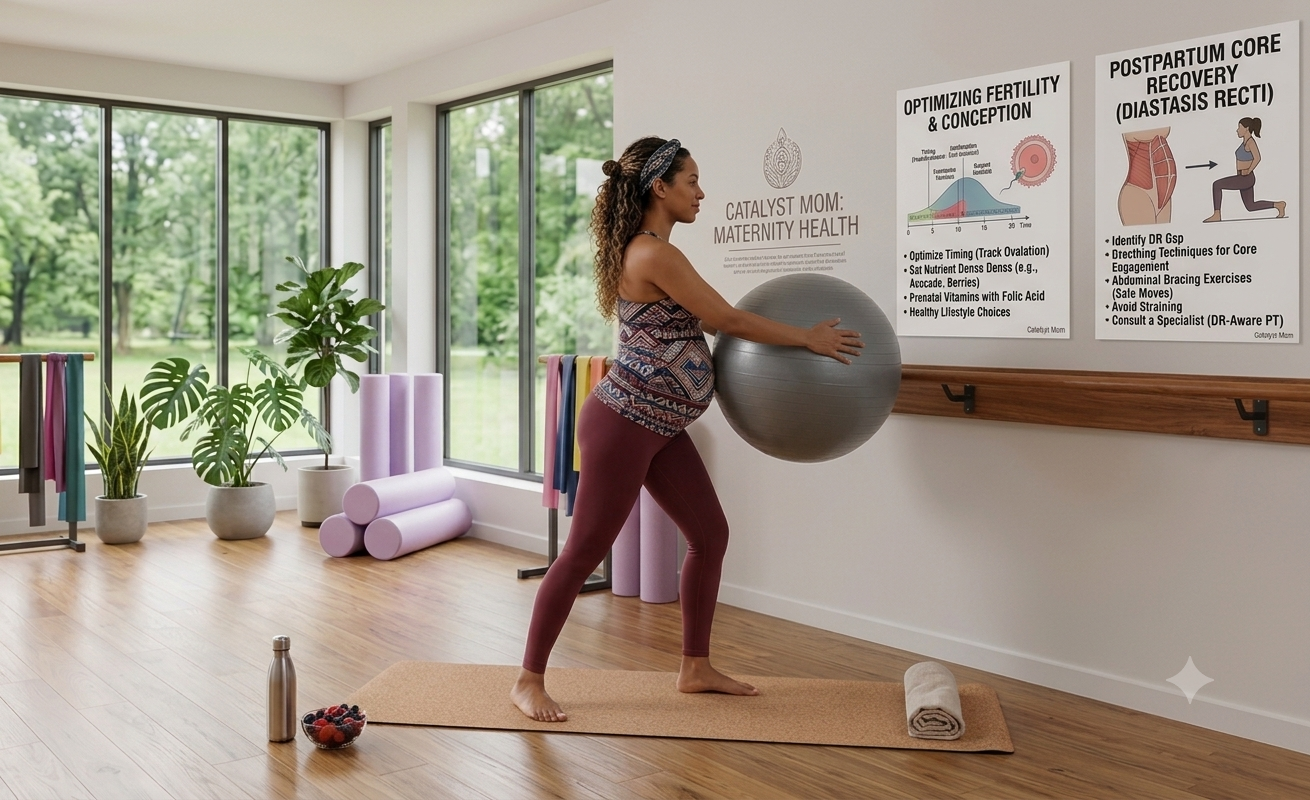
- Make sure your ball is the right size — hips level with or slightly above knees. See our birth ball buying guide for sizing by height.
- Place the ball on carpet or a yoga mat, never a slick floor.
- Stop if you feel pain, dizziness, or notice reduced baby movement.
Keep Going
Want guided routines with pictures and timers? Our free Birth Ball Guide includes trimester-by-trimester exercises, an early labor section, and a breathing practice to pair with every movement.
The Honest Part Most Blogs Skip
No movement — ball, walking, curb-walking, pineapple, any of it — starts labor before your body and baby are ready. What birth ball work actually does is remove the mechanical obstacles (tight pelvis, awkward baby position) so that when labor is ready to start, nothing is in its way. That reframe matters: if you bounce for three days and nothing happens, the ball did not fail. Your body is still finishing its prep.
A Realistic Day-by-Day Rhythm (38+ Weeks)
| Time | Movement | How long |
|---|---|---|
| Morning | Gentle bouncing while having breakfast or watching TV | 10 min |
| Midday | Hip circles, both directions | 5 min |
| Afternoon | Replace your desk or sofa chair with the ball | 20–30 min of just sitting |
| Evening | Figure 8s, then the kneeling lean while your partner massages your back | 10 min |
Consistency over days beats one heroic two-hour session. Sitting on the ball instead of slouching into a couch may be the single most useful habit on this list — couch-slouching encourages baby into a back-to-your-back position, which is associated with longer, harder back labor.
Signs It Is Helping — and Signs to Stop
- Encouraging: more pelvic pressure, lightning-crawl sensations, loss of mucus plug, baby feeling lower, irregular practice contractions becoming more noticeable.
- Stop and call your provider: bleeding, fluid leaking, painful regular contractions before 37 weeks, dizziness, or a noticeable drop in baby movement.
Birth Ball & Labor FAQ
How long should I bounce on a birth ball to encourage labor?
Short, frequent sessions — 10–15 minutes a few times a day — outperform marathon sessions and will not exhaust you before the actual event. There is no evidence that more hours equals faster labor.
Can bouncing on a birth ball break your water?
Gentle bouncing will not rupture healthy membranes. If your water does release while on the ball, it was ready to go regardless — note the time, color, and amount, and call your provider.
Does it work at 38 or 39 weeks?
You can absolutely do all of these movements then — they improve comfort and positioning at any late-pregnancy week. Just hold the expectation loosely: the closer your body already is to labor, the more these movements appear to "work."
This article is for educational purposes only and is not medical advice. Always consult your healthcare provider before starting or changing any exercise, nutrition, or fertility plan.