A birth ball earns its keep through a small handful of exercises, repeated consistently. Here's the full set, organized by trimester, so you know exactly what to do and when.
Getting set up
Choose a size that puts your hips slightly higher than your knees when seated, typically 65cm for most heights, 75cm if you're tall. Inflate it firm, and keep a wall or sturdy chair nearby for balance, especially in the third trimester. For sizing details and safety notes, see our full birth ball guide.
First trimester: comfort and habit-building
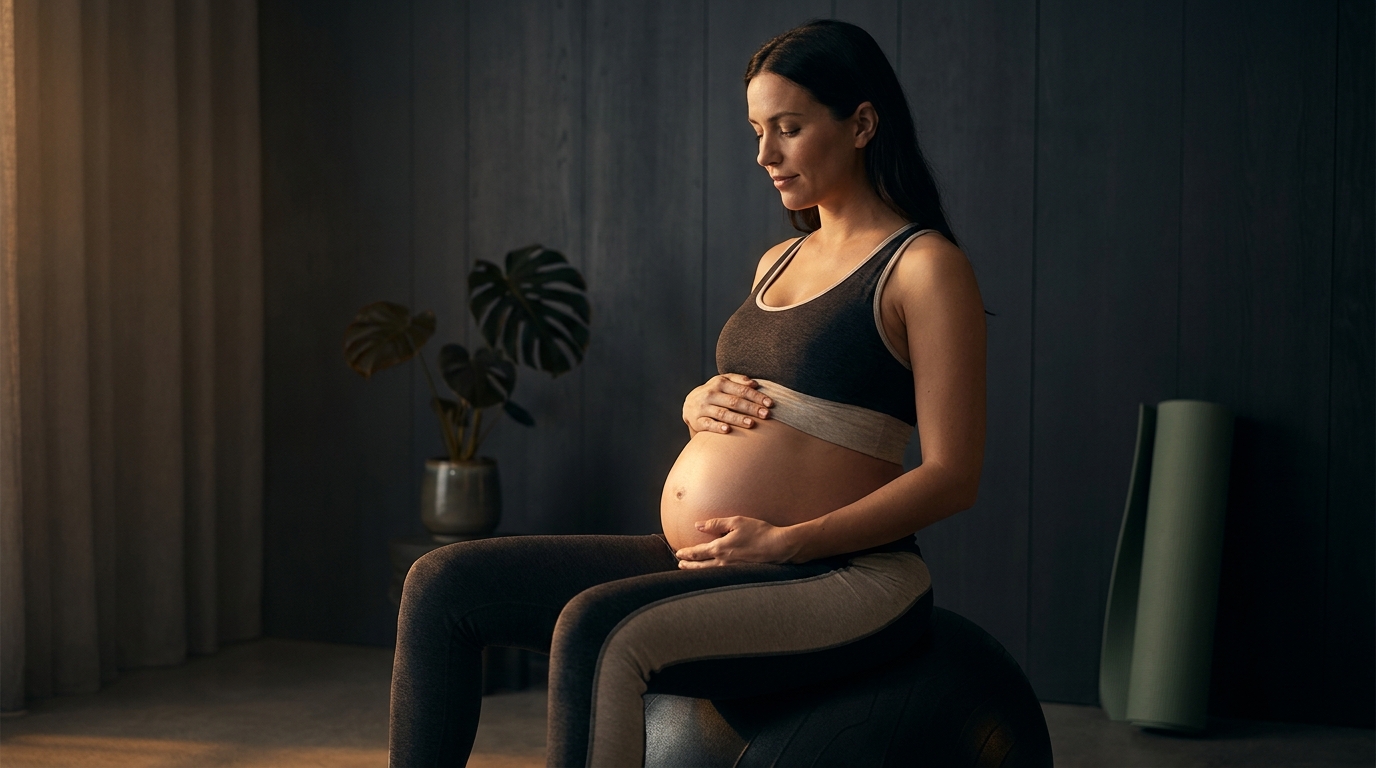
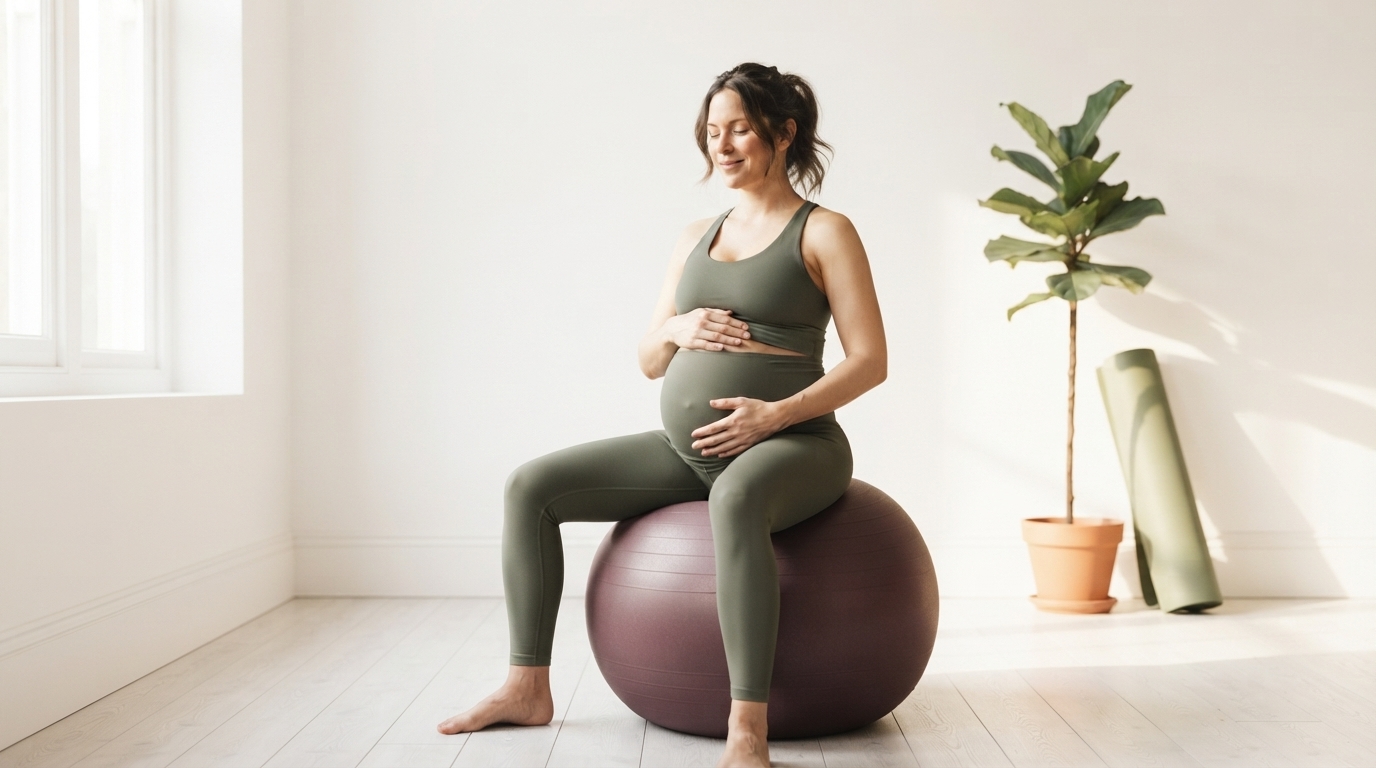
- Seated bouncing: gentle, small bounces while sitting, a comfortable alternative to a desk chair that also gets you used to balancing on the ball.
- Slow hip circles: hands on hips or knees, draw slow circles in each direction. Eases early pelvic stiffness.
- Pelvic tilts: seated, gently rock your pelvis forward and back. Builds body awareness you'll use later in labor.
Second trimester: mobility and relief
- Figure eights: seated, trace a figure-eight pattern with your hips. Keeps the pelvis mobile as your bump grows.
- Side-to-side rocking: shift weight from hip to hip. Relieves lower back tension that often starts in this trimester.
- Forward lean with support: lean forward over the ball (or have the ball in front of you on a table) to stretch the lower back.
Third trimester: labor prep and positioning
- Upright hip circles: the same movement as before, done more frequently, to encourage baby into an optimal head-down position.
- Deep squats with support: holding a chair or partner's hands, lower into a supported squat over the ball — opens the pelvis for labor.
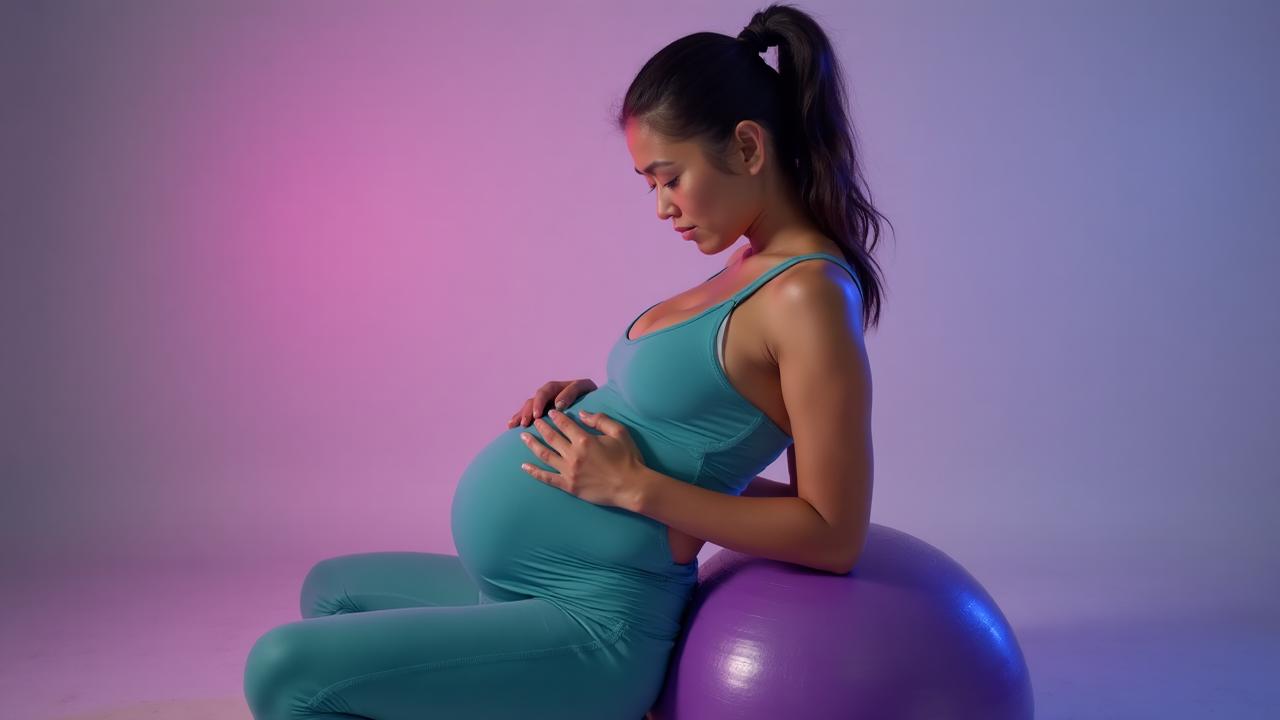
- All-fours tilts: hands and knees with the ball supporting your chest, rocking gently. A favorite for relieving back labor pain and encouraging good fetal positioning.
- Slow bounces: gentle bouncing in an upright position, often used in early labor to encourage progress.
How often to do this
Little and often beats one long session. Five to ten minutes most days, while watching TV, working, or just taking a break, builds the mobility and familiarity that pays off most in labor.
Where to go from here
For guided sessions that walk you through each of these positions, create a free Catalyst Mom account and add the birth ball routine to your pregnancy plan.
Frequently Asked Questions
What birth ball exercises help most in labor?
Hip circles, all-fours tilts, and supported deep squats are the most commonly used positions during labor for comfort and encouraging good fetal positioning.
How often should I do birth ball exercises during pregnancy?
Five to ten minutes most days is enough to build mobility and comfort. Consistency matters more than long sessions.
Can birth ball exercises help turn a breech baby?
Some positions, like forward-leaning and hip circles, are commonly used to encourage optimal positioning, though they aren't a guaranteed method for turning a breech baby. Talk to your provider about breech-specific approaches.
Is bouncing on a birth ball safe in the third trimester?
Gentle bouncing is generally safe for most healthy pregnancies. Keep a wall or sturdy support nearby, wear non-slip footwear, and stop if anything feels uncomfortable.
Do I need a special birth ball, or will any exercise ball work?
A birth ball is typically a heavier-duty, anti-burst exercise ball rated for higher weight capacity. A standard yoga ball can work in a pinch, but a proper birth ball is sturdier for pregnancy use.