When your cycles are all over the place, the standard advice — "have sex on day 14" — is useless. Day 14 assumes a textbook 28-day cycle, and yours isn't textbook. The good news: you can still find your fertile window with irregular periods. You just have to track the signs your body gives you, not the calendar.
Why the calendar method fails you
Calendar and app predictions guess ovulation from your average cycle length. With irregular cycles, that average is close to meaningless — you might ovulate on day 12 one month and day 25 the next, or skip a month entirely. Leaning on an app's "predicted" window is one of the most common reasons TTC drags on longer than it should.
Sign 1: Cervical mucus (your most reliable free tool)
As you approach ovulation, cervical mucus becomes clear, stretchy, and slippery — like raw egg white. That's your body signalling the fertile window is open, and it works regardless of what cycle day it is. Check daily and note when it changes.
Sign 2: Ovulation predictor kits (with a caveat)
Ovulation predictor kits detect the LH surge that happens right before you ovulate. They can work with irregular cycles, but you may need to test daily over a longer stretch since you don't know when the surge is coming. Buy cheap bulk strips and start a few days after your period ends. One caveat: with PCOS, LH can stay elevated, which can give confusing results.
Sign 3: Basal body temperature (confirms it happened)
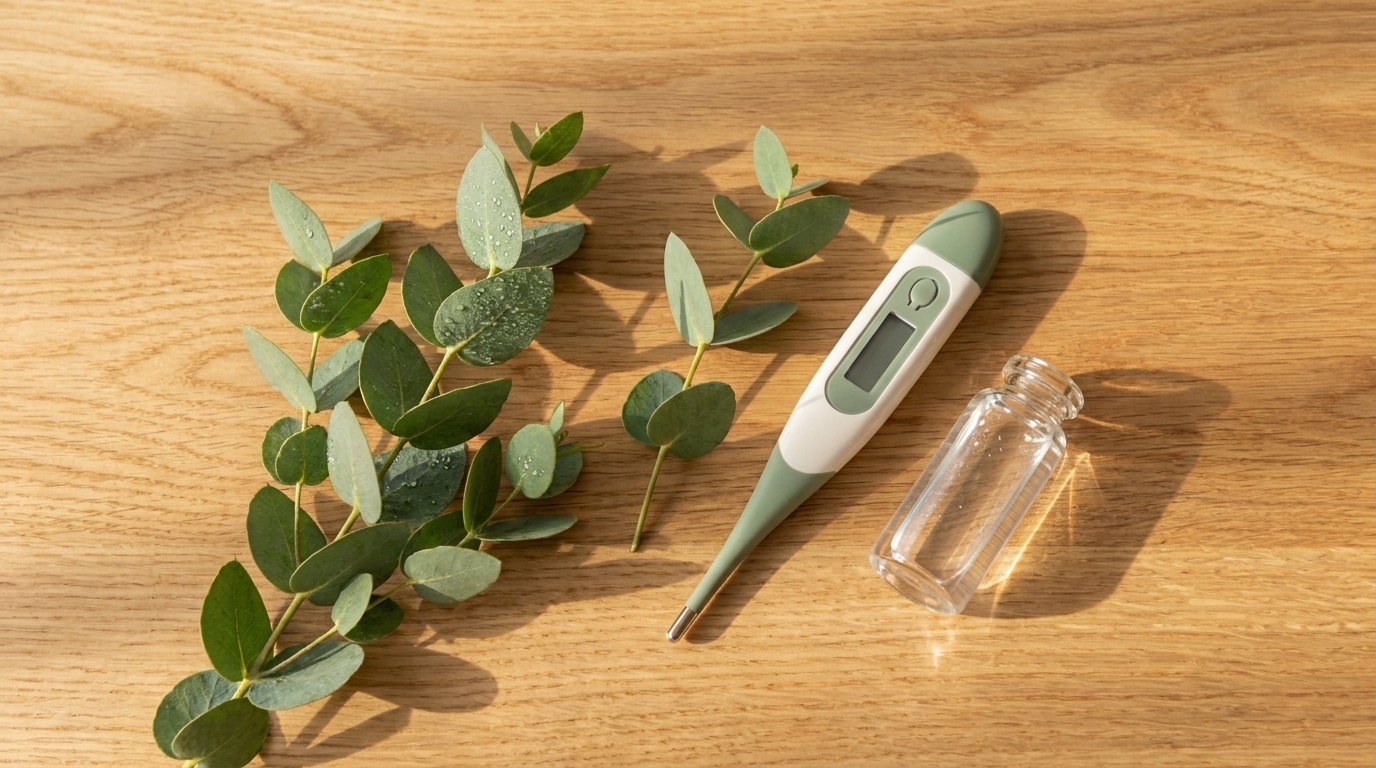
Your resting temperature rises slightly, about half a degree, after ovulation. Basal body temperature won't predict ovulation in advance, but charting it confirms whether and when you ovulated — priceless data with irregular cycles. Take it first thing every morning before getting up, and log it.
Put them together
The winning combination for irregular cycles: watch cervical mucus to know the window is opening, use ovulation strips to catch the surge, and chart your temperature to confirm ovulation happened. Together they tell you far more than any app prediction.
When to see a doctor
If you've tracked for several months and can't detect ovulation at all, have cycles longer than 35 days or shorter than 21, or are over 35 and have been trying for six months, talk to your doctor. Absent ovulation is treatable, but it needs evaluation.
Where to go from here
Tracking three signs by hand gets easier with one place to log them all. Create a free Catalyst Mom account to track your cycle and connect with other moms trying to conceive.
Frequently Asked Questions
Can you track ovulation with irregular periods?
Yes. Because the calendar is unreliable, you track real-time body signs instead — cervical mucus, ovulation strips, and basal body temperature — which work regardless of cycle length.
Do ovulation tests work with irregular cycles?
They can, but you may need to test daily over a longer window to catch the surge. With PCOS, elevated LH can cause false or confusing positives, so pair them with other signs.
How do you count cycle days with irregular periods?
Day 1 is the first day of full flow. Because ovulation timing shifts, focus less on the day number and more on tracking mucus, strips, and temperature to find your actual fertile window.
What is the most reliable sign of ovulation?
No single sign is perfect. Cervical mucus is the best free predictor that the window is opening, and a sustained temperature rise is the best confirmation that ovulation happened.
Can you get pregnant if you don't ovulate regularly?
Yes, but it can take longer and timing is harder. If you can't detect ovulation after a few months of tracking, see a doctor — irregular or absent ovulation is often treatable.