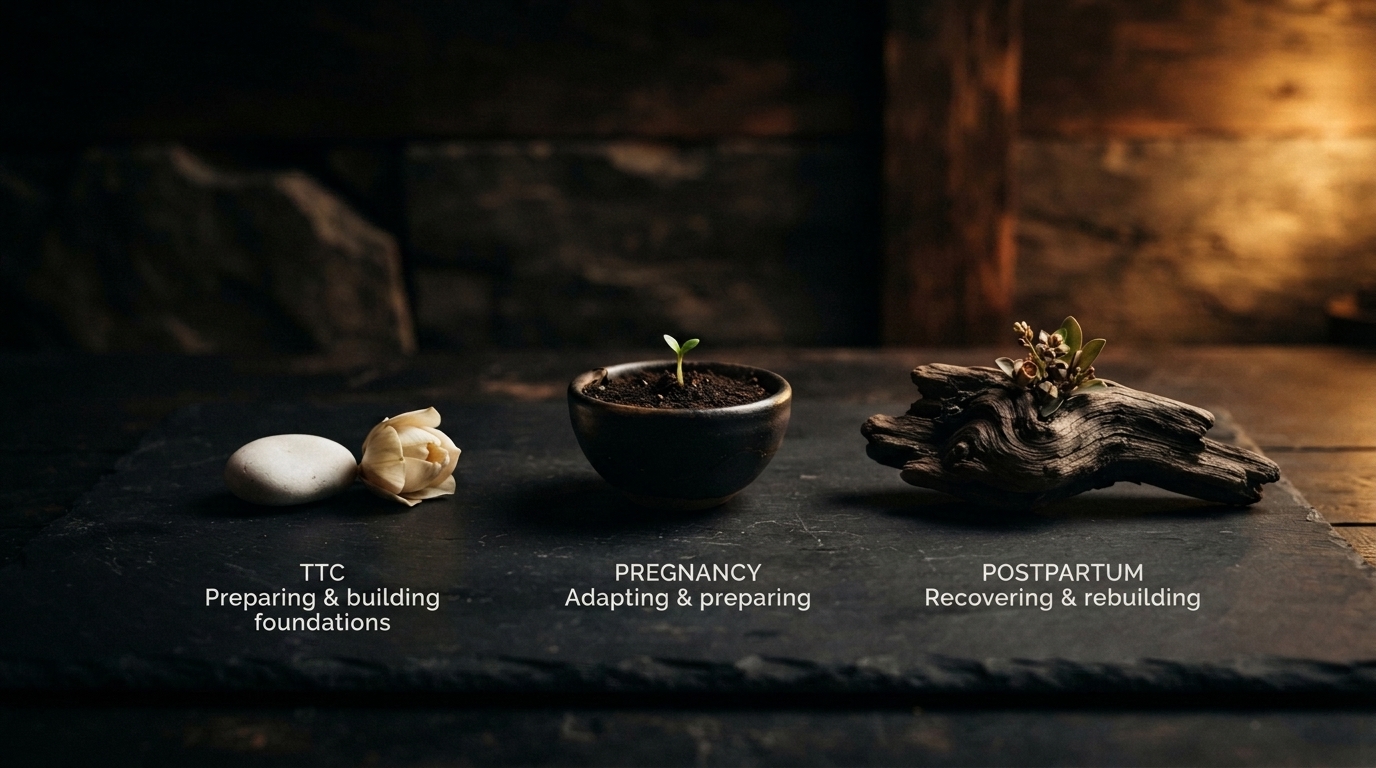
So much postpartum content jumps straight to "losing the baby weight." Your body just spent nine months building a person and then delivered them. Its first job now is repair. Shrinking can wait. Here's what it actually needs.
Why this is a rebuilding phase
You're recovering from a major physical event, vaginal or surgical, while producing breast milk if you're nursing, running on fragmented sleep, and managing a huge hormonal shift. Under-eating during this window can slow healing, tank energy, and disrupt milk supply. This is not the season for restriction.
Protein does the repair work
Protein rebuilds tissue, supports wound healing (especially after a C-section or perineal tearing), and helps stabilize energy and mood. Aim for a source of protein at every meal: eggs, Greek yogurt, chicken, beans, or a protein smoothie you can drink one-handed while holding a baby.
Replacing the iron birth takes from you
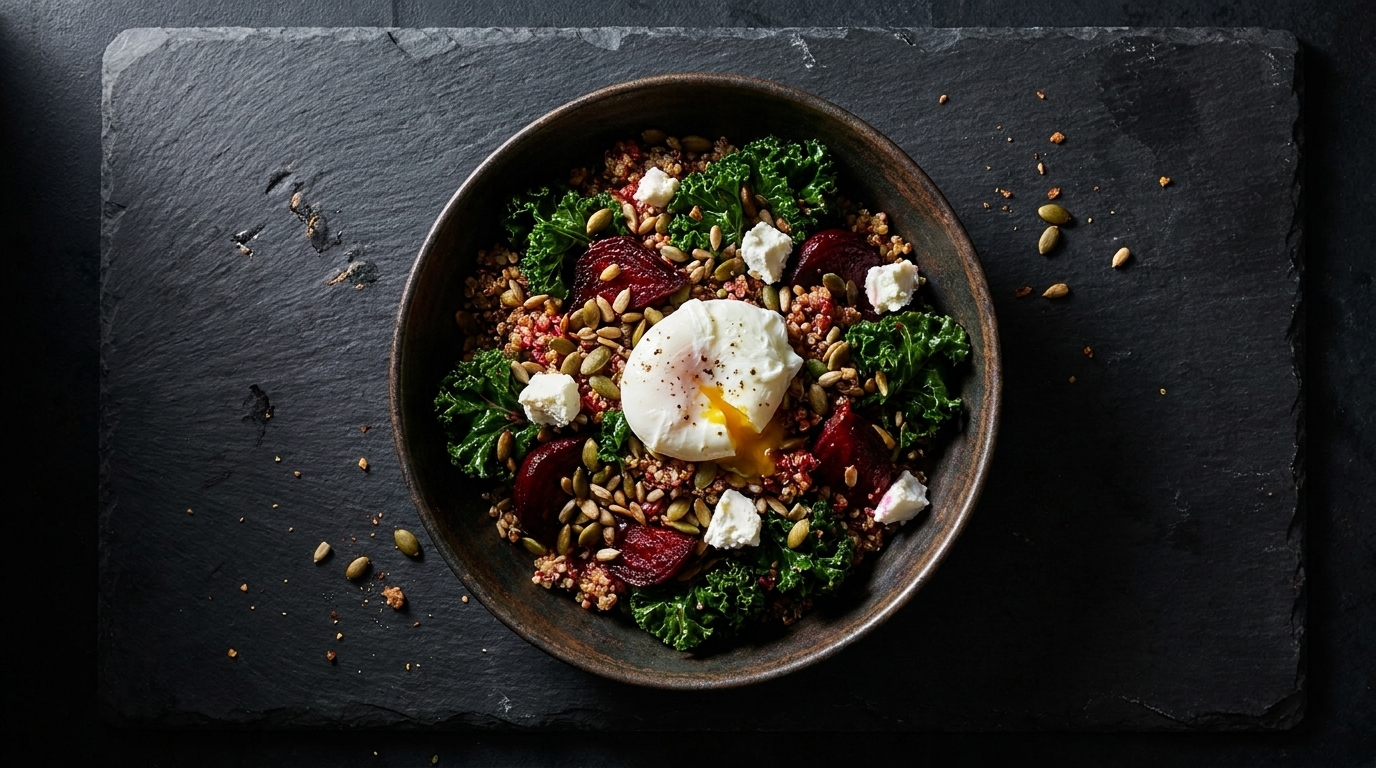
Blood loss during delivery can leave iron stores low, and low iron shows up as exhaustion that no amount of sleep seems to fix. Iron-rich foods like red meat, spinach, lentils, and fortified cereals, paired with vitamin C to help absorption, are worth prioritizing, especially in the first few weeks.
Healthy fats and DHA
Fats support hormone production and, if you're breastfeeding, DHA passes through to support your baby's brain development. Fatty fish, walnuts, chia seeds, and avocado are easy staples to keep on hand.
Hydration matters more than you'd think
Breastfeeding significantly increases fluid needs, and even without nursing, postpartum hydration supports energy and digestion (constipation is common in early recovery). Keep a water bottle wherever you feed or rest the baby, since that's often the only time you'll sit still long enough to drink it.
Fiber, for a body that's already been through enough
Between iron supplements, pain medication, and reduced activity, postpartum constipation is extremely common. Fiber from fruits, vegetables, and whole grains, alongside good hydration, makes a real difference.
What about "losing the baby weight"?
Weight loss, if it's a goal at all, belongs later, once bleeding has stopped, energy has stabilized, and (if breastfeeding) your milk supply is well established, often several months in. Restricting too early competes directly with the energy your body needs to heal and, if nursing, to produce milk.
Eating in a way you can actually keep up
The best postpartum nutrition plan is the one you can actually follow one-handed, sleep-deprived, most days. Batch-prepared proteins, easy-to-grab fruit, and a few "assemble, don't cook" meals do more for you right now than a perfectly balanced but complicated meal plan you'll abandon by week two.
Where to go from here
Pairing this with a recovery-specific workout plan covers both sides of healing. Create a free Catalyst Mom account to get postpartum nutrition and movement guidance in one place.
Frequently Asked Questions
What should I eat first postpartum to help recovery?
Prioritize protein at every meal, iron-rich foods to replace blood loss, and steady hydration. These three do the most for early healing and energy.
Is it safe to diet while breastfeeding?
Significant calorie restriction while breastfeeding can affect milk supply and energy levels. Most guidance favors nutrient-dense eating over restriction until supply is well established and you've had time to recover.
Why am I so tired even though I'm eating enough?
Low iron from blood loss during delivery is a common, often overlooked cause of persistent postpartum fatigue. It's worth mentioning to your provider, especially if fatigue feels disproportionate to your sleep.
When is it okay to start trying to lose baby weight?
Many providers suggest waiting until bleeding has stopped, energy has stabilized, and, if breastfeeding, milk supply is established, often a few months postpartum, and it varies by person.
What foods help with postpartum constipation?
Fiber-rich foods like fruits, vegetables, and whole grains, combined with good hydration, are the most effective first steps. This is especially helpful if you're taking iron supplements, which can worsen constipation.