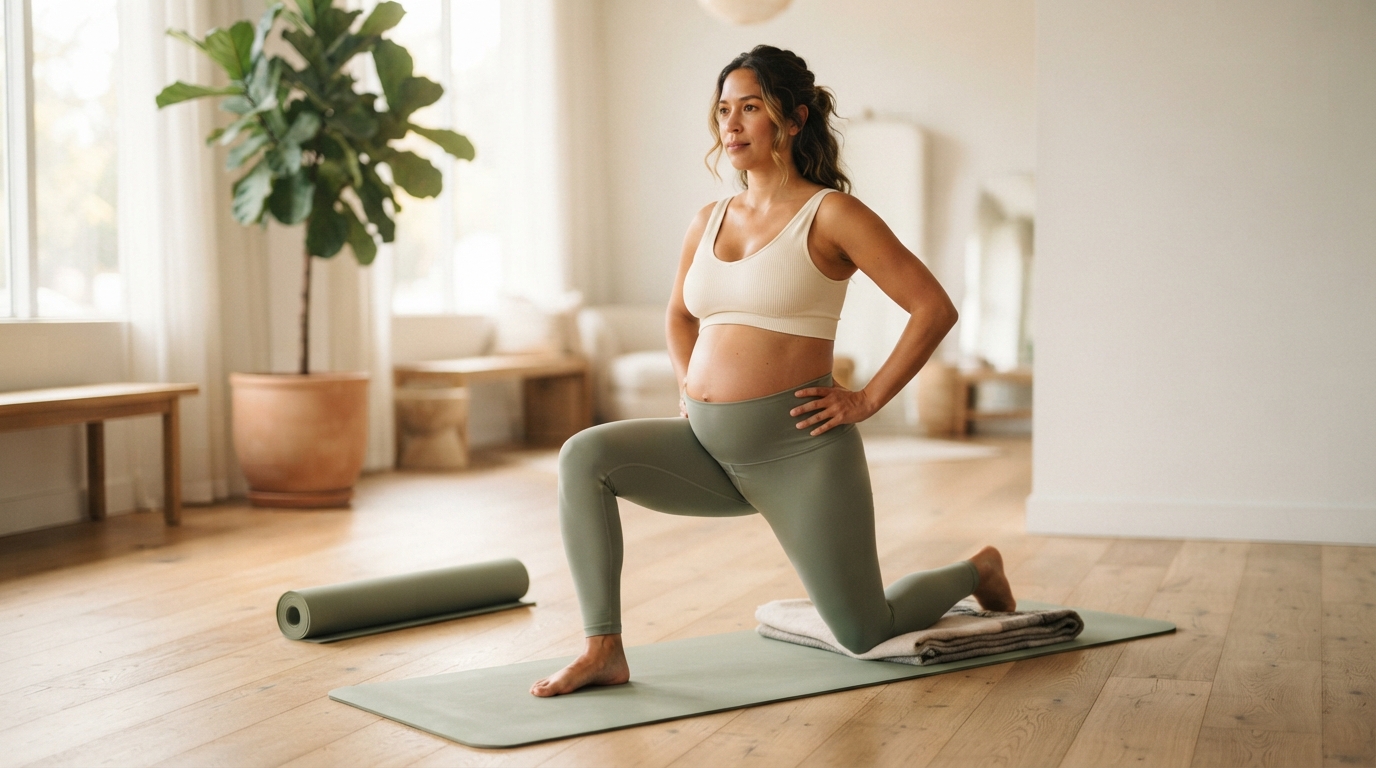
Exercising with Symphysis Pubis Dysfunction (SPD) During Pregnancy: Safe Workouts & Relief
Pregnancy is a journey of incredible transformation, bringing with it a unique set of joys, challenges, and sometimes, unexpected conditions. For many expectant mothers, Symphysis Pubis Dysfunction (SPD), also known as Pelvic Girdle Pain (PGP), can cast a shadow over what should be a comfortable experience. This condition, characterized by pain and instability in the pelvic joint, can make even simple movements feel agonizing, let alone the thought of engaging in pregnancy exercise. But what if we told you that staying active is not only possible but can also be incredibly beneficial? At Catalyst Mom, we understand the nuances of combining prenatal fitness with chronic conditions/unique situations, and we're here to guide you through safe and effective strategies for managing Symphysis Pubis Dysfunction while maintaining your health and well-being through pregnancy workouts and pelvic pain relief.
What is Symphysis Pubis Dysfunction (SPD) and Pelvic Girdle Pain (PGP)?
Symphysis Pubis Dysfunction, or SPD, occurs when the ligaments that normally keep your pelvic bones aligned become too relaxed, often due to the pregnancy hormone relaxin. This can lead to pain in the pubic area, groin, lower back, or even radiating down the thighs. Activities like walking, climbing stairs, rolling over in bed, or lifting one leg can exacerbate the discomfort associated with Pelvic Girdle Pain. It’s crucial to distinguish between general pregnancy aches and Symphysis Pubis Dysfunction to ensure you seek the right support and adjust your activities accordingly for effective pregnancy exercise and pain management.
Why Movement is Important Even with SPD & PGP
While the instinct might be to rest completely, gentle, controlled movement is often key to alleviating SPD symptoms, improving circulation, maintaining muscle strength, and preparing your body for labor. Complete inactivity can lead to muscle weakening and stiffness, potentially worsening the pain. The real challenge lies in finding movements that support your body rather than strain it. This is precisely where a tailored approach to combining prenatal fitness with chronic conditions/unique situations becomes invaluable, especially for those experiencing pelvic pain during pregnancy.
Safe Pregnancy Workouts for SPD & Pelvic Girdle Pain Relief
When dealing with Symphysis Pubis Dysfunction, the goal of pregnancy workouts is to stabilize the pelvis, strengthen the core and glutes, and avoid movements that unevenly load the joint. Here are some excellent low-impact options for prenatal fitness, keeping in mind the challenges of Pelvic Girdle Pain:
- Pelvic Tilts: Lying on your back with knees bent, gently tilt your pelvis upwards, flattening your lower back against the floor. This strengthens core muscles effectively without stressing the pubic bone.
- Kneeling Pelvic Rocks: On all fours, gently rock your pelvis forward and backward. This helps with pelvic mobility and stability, crucial for SPD relief.
- Modified Pilates for SPD: Focus on exercises that maintain pelvic stability, avoiding wide-legged poses or single-leg work that can strain the pubic symphysis. Core strengthening exercises, particularly those targeting the transverse abdominis, are highly beneficial for pregnancy exercise with SPD.
- Swimming/Aqua Aerobics: The buoyancy of water reduces the load on your joints, making it an excellent way to exercise without putting pressure on your pelvis. Avoid breaststroke, as the scissor-like leg movement can worsen SPD symptoms.
- Stationary Cycling (Light Resistance): If comfortable, a stationary bike can offer a non-weight-bearing cardio option for prenatal fitness. Ensure the seat is adjusted so your knees aren't extending too far, minimizing pelvic strain.
- Modified Prenatal Yoga for SPD: Choose classes or movements that prioritize pelvic stability. Avoid deep lunges, wide squats, or any pose that involves significant asymmetry or a wide stance. Focus on gentle stretches and strengthening, adapting for Pelvic Girdle Pain.
A crucial aspect of combining prenatal fitness with chronic conditions/unique situations is listening to your body. If an exercise causes pain, stop immediately. Pain is your body’s signal that something is not right, especially when managing Symphysis Pubis Dysfunction during pregnancy.
Daily Relief Strategies for SPD & PGP
Beyond pregnancy exercise, incorporating daily relief strategies can significantly improve your comfort levels with Symphysis Pubis Dysfunction and Pelvic Girdle Pain:
- Maternity Support Belts: A maternity support belt designed for pelvic support can help stabilize your pelvis and reduce pain during movement, particularly useful with Pelvic Girdle Pain.
- Physical Therapy/Chiropractic Care: A specialist trained in prenatal care can provide manual therapy, offer specific exercises, and suggest postural adjustments for Symphysis Pubis Dysfunction.
- Pillows for Sleep: Placing a pillow between your knees and ankles when lying on your side can keep your pelvis aligned and alleviate discomfort.
- Mindful Movements: When getting in and out of a car or bed, keep your knees together. Avoid standing on one leg, which can exacerbate SPD.
- Ice Packs: Apply an ice pack to the painful area for 15-20 minutes to help reduce inflammation associated with PGP.
How Catalyst Mom Supports Your Pregnancy with SPD
At Catalyst Mom, we believe every mom deserves a healthy and empowering pregnancy journey, regardless of the challenges. Our app and protocol are designed with this in mind, offering personalized guidance for pregnant and postpartum women. We understand the complexities of combining prenatal fitness with chronic conditions/unique situations like Symphysis Pubis Dysfunction. That's why we, Catalyst Mom, offer a personalized assessment that takes into account your specific health conditions, pain levels, and fitness goals, especially when dealing with pelvic pain in pregnancy.
Based on your assessment, Catalyst Mom tailors pregnancy exercise routines that are safe, effective, and specifically designed to support your body's unique needs during pregnancy. Our programs focus on movements that stabilize the pelvis, strengthen supporting muscles, and alleviate discomfort from Symphysis Pubis Dysfunction and Pelvic Girdle Pain, all while promoting overall well-being. We provide modifications, emphasize proper form, and empower you to listen to your body, ensuring that your prenatal fitness journey is supportive and pain-free.
Conclusion: Thriving with SPD During Pregnancy
Living with Symphysis Pubis Dysfunction during pregnancy doesn't mean you have to abandon prenatal fitness or endure constant pain from Pelvic Girdle Pain (PGP). By adopting safe pregnancy exercise practices, incorporating supportive daily habits, and seeking personalized guidance, you can navigate this condition with greater comfort and confidence. At Catalyst Mom, we are committed to helping you thrive throughout your pregnancy. Our approach to combining prenatal fitness with chronic conditions/unique situations ensures that you receive the specific care and support you need to feel your best, incorporating effective pregnancy workouts for SPD.
Ready to discover a pregnancy exercise plan designed just for you? Take our personalized assessment today and let Catalyst Mom help you embrace a stronger, more comfortable pregnancy journey, even with chronic conditions like SPD in pregnancy.