Your youngest is three. Or seven. Maybe you're done having kids entirely — and the gap down the middle of your belly is still there. Somewhere along the way you decided you'd missed your window. You didn't.
The short answer: no, it is not too late. Diastasis recti responds to the right training whether you're six months or sixteen years postpartum. Here's why — and what "too late" gets wrong.
Why the healing "window" is a myth
People assume core repair only works in the first few months because that's when the body recovers on its own. But the connective tissue down your midline is living tissue that responds to load and tension at any age. What closes the gap isn't a magic postpartum window — it's consistent, correct deep-core training that teaches the muscles to hold tension again.
What actually changes with time
Two honest things are different years later. First, the tissue may be more lax and less springy, so progress can be slower. Second, you've likely spent years bracing incorrectly — gripping, sucking in, or bearing down — and those habits have to be unlearned. Neither makes healing impossible. They just mean patience and precision matter more.
The first move: check, don't guess
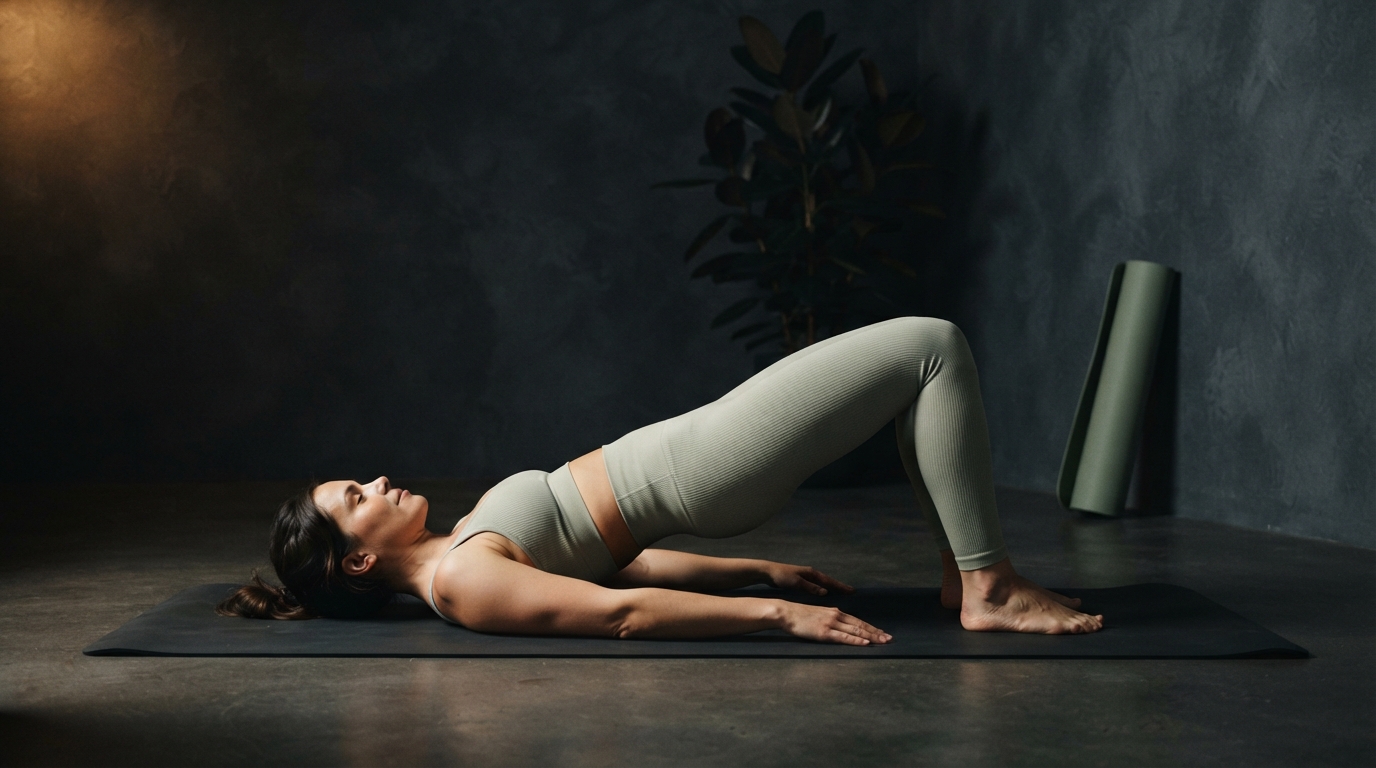
Before loading anything, find out how your deep core is firing. Lie down, knees bent, fingers just inside your hip bones. Exhale gently and feel: does your belly dome up into a ridge, or flatten like a corset? The corset is what you want. If you cone, that's your starting point — retrain the flatten first. If you want the fuller picture, here's what the research and real moms say about healing safely.
What "fixing it" realistically looks like
You may not get a perfectly flat, gap-free stomach — especially after multiple pregnancies — but most women can meaningfully narrow the gap, flatten the pooch, and rebuild a core that stops leaking, aching, and bulging. Function comes first; the look follows. Twelve to fifteen focused minutes a day, matched to how you gave birth, done consistently for a few weeks, is what moves the needle.
When to bring in help
If your gap is very wide (four or more fingers), you feel a bulge or hernia at the midline, or you have ongoing back or pelvic pain, see a pelvic floor physical therapist. Home programs work for most people, but a wide or symptomatic separation deserves eyes on it.
The bottom line
"Years later" is not a closed door. It's a slower, more deliberate version of the same path: stop the exercises that widen the gap, retrain the deep core to brace correctly, and give it short, progressive, consistent work. Your body will still respond.
Where to go from here
If closing the gap for good is the goal, a guided plan beats winging it alone. Create a free Catalyst Mom account to start tracking your recovery and get matched with a program built for your stage.
Frequently Asked Questions
Can diastasis recti close years after pregnancy?
Yes. The connective tissue responds to correct training at any age. Progress may be slower than it would have been in the first few months, but meaningful improvement is realistic even years later.
Is surgery the only option after several years?
No. Surgery is usually reserved for very wide separations, hernias, or cases that don't respond to consistent rehab. Most people improve significantly with deep-core training first.
How long does it take to see results years postpartum?
Many women notice change within 6 to 10 weeks of consistent, correct work, though a wider gap or older separation can take longer. Consistency matters more than intensity.
Does having multiple children make diastasis recti harder to fix?
It can, because the tissue has been stretched repeatedly and may be more lax. It doesn't make healing impossible — it just means the rebuild usually takes more patience.
What exercises should I avoid?
Skip crunches, sit-ups, and full planks until your deep core can hold pressure without doming. These raise abdominal pressure and can keep the gap open.